


Why Are Ancient Houses in Hanoi Often Painted Yellow?
Hanoi, the vibrant capital of Vietnam, is a city of rich history and striking architecture. Walking through the bustling streets, one can’t help but notice a recurring feature: many of the ancient houses and villas are painted in a distinct shade of yellow. This particular color has become synonymous with Hanoi’s historical charm and French colonial heritage. But why yellow? Why not red, blue, or green? In this blog, we’ll dive into the historical and cultural significance behind the yellow paint that adorns these ancient houses in Hanoi, exploring the artistic, climatic, and cultural reasons behind this unique choice.
The French Colonial Influence
To truly understand why many houses in Hanoi are painted yellow, we must first look at the city’s history, specifically the period of French colonialism. In the late 19th and early 20th centuries, the French took control of Hanoi and began constructing a variety of buildings that still stand today. These buildings were designed to showcase European architectural styles, often blending traditional French aesthetics with elements of Vietnamese culture.

The yellow color, it turns out, was not a random choice but rather a deliberate one. The French colonial architects, accustomed to European design trends, believed that yellow was an ideal color for Vietnam’s tropical climate. But the reasoning behind their decision went beyond mere aesthetic preferences. Let’s delve deeper into why yellow became the dominant color of colonial-era houses in Hanoi.
The Artistic and Climatic Significance
One of the most compelling reasons for the prevalence of yellow-painted houses in Hanoi lies in the unique climatic characteristics of the region. Hanoi, like much of Vietnam, experiences a hot and humid climate, particularly in the summer months. The intense afternoon sunlight, especially during the autumn season, is a key feature of this tropical climate.
The Beauty of Yellow in Vietnamese Light
The French architects understood that yellow, a warm and inviting color, would beautifully complement the natural light that graces the city, particularly during the late afternoon hours. When the golden hues of the setting sun shine on yellow-painted buildings, they create a warm, glowing ambiance that evokes images of Parisian streets bathed in golden light.
In a sense, the yellow paint was a way for the French to recreate the charm of Paris within the tropical setting of Hanoi. The color helped achieve a particular aesthetic—one that would remind the French of their homeland, blending Western European architectural styles with the beauty of Southeast Asia.

Yellow to Mask the Humidity and Mold
Vietnam’s climate is not only hot and humid but also prone to mold and dampness, especially in the rainy seasons. This unique climate presents a challenge for maintaining the pristine appearance of buildings, particularly those made from materials susceptible to weathering, such as wood and stone.

Yellow paint, with its rich and earthy tones, was an effective solution to this problem. The color helps mask the stains, mold, and dirt that accumulate on the walls over time due to the high humidity levels. Instead of the inevitable dampness or discoloration being immediately noticeable, yellow blends with these imperfections, preserving the aesthetic integrity of the building.
In a way, the choice of yellow served a practical purpose—it helped maintain the beauty of the buildings without requiring frequent touch-ups or repairs. This is particularly important for the old villas and houses that have stood the test of time, with many of them still in use today.
The Cultural Significance of Yellow in Vietnam
Symbol of Power and Royalty
While the French had artistic and climatic reasons for selecting yellow as the primary color for colonial-era buildings, there is another layer of meaning behind this choice: the cultural significance of yellow in Vietnam and across many Asian countries.
In Vietnamese culture, as well as in other parts of Asia, yellow is a color deeply associated with power, royalty, and prosperity. Historically, yellow was reserved for the imperial family and the highest echelons of society. The color symbolized wealth, status, and authority, and it was often seen in the attire of emperors, kings, and other nobility.
During the French colonial era, the French might have been aware of this cultural significance and intentionally used yellow in their buildings to evoke a sense of prestige and importance. By painting the houses and villas in this color, the French reinforced their authority and presence in Hanoi, as well as the larger Indochina region.
In addition to its royal associations, yellow is also seen as a symbol of good fortune and happiness in many Asian cultures. It is a color that radiates warmth and positivity, and using it in architecture could have been a way to bring luck and prosperity to the area, as well as create a welcoming atmosphere for residents and visitors alike.
The Legacy of Yellow Houses in Hanoi
A Blend of Cultures
Today, the yellow houses in Hanoi are not only a testament to the city’s French colonial past but also a visual representation of the fusion between Vietnamese and Western cultures. As you stroll through Hanoi’s Old Quarter or the French Quarter, you can see how the yellow-painted buildings have become an iconic part of the city’s urban landscape
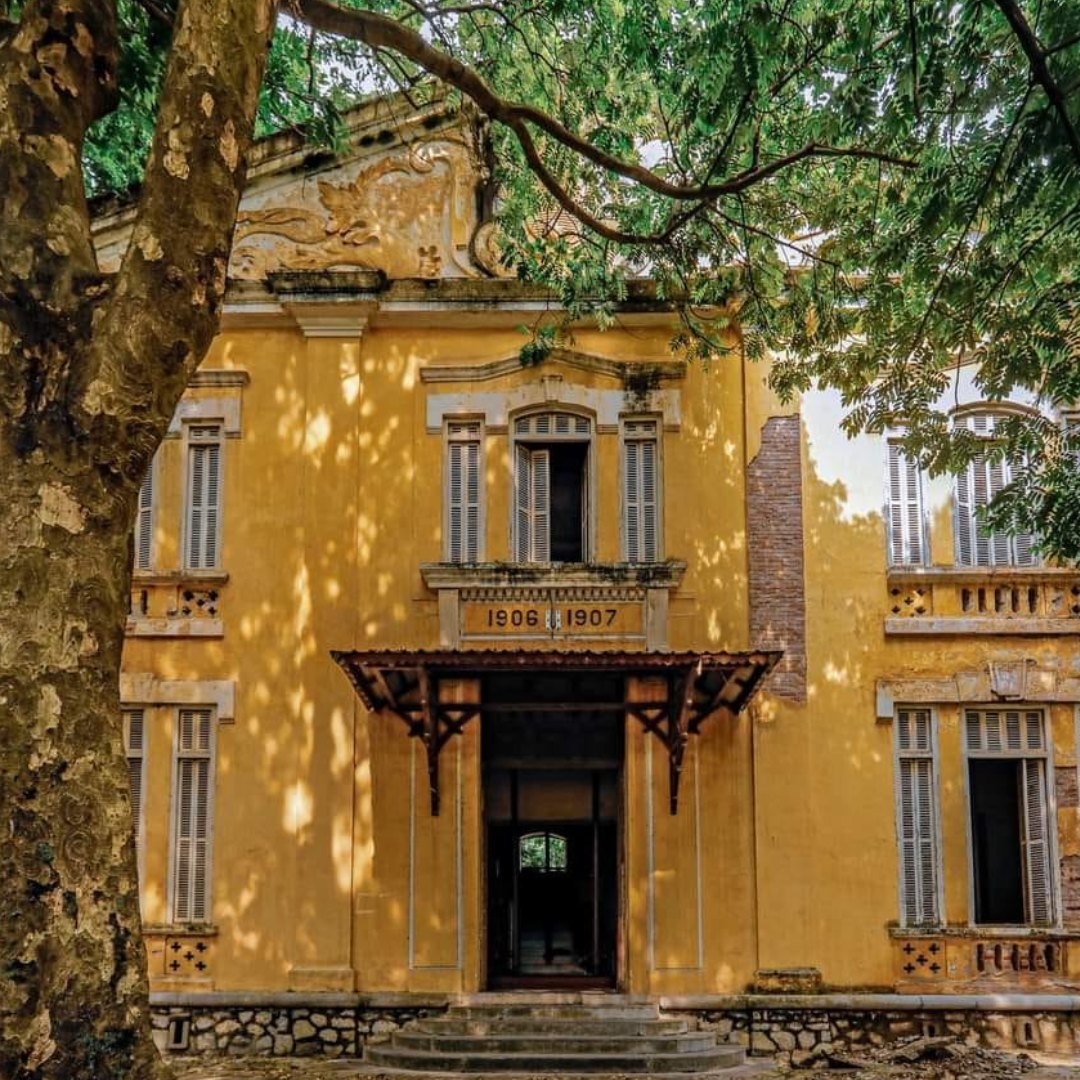
The houses are not just relics of the past; they have been preserved and maintained, continuing to serve as homes, businesses, and cultural landmarks. Their unique color, combined with traditional Vietnamese architectural elements like wooden shutters, tiled roofs, and decorative balconies, offers a glimpse into the shared history of Vietnam and France.
Preservation Efforts
In recent years, there has been an increasing awareness of the importance of preserving Hanoi’s architectural heritage. Efforts have been made to maintain the authenticity of the old buildings, including their yellow paint. This preservation is important not just for historical purposes but also for maintaining the character and charm of the city that attracts both locals and tourists alike.
Many visitors to Hanoi are drawn to the beauty of the old houses, which have retained their elegance despite the passage of time. The yellow-painted facades, with their faded grandeur, give the city a timeless quality—one that transports visitors to a bygone era when French colonialists roamed the streets and the city was a meeting point of East and West.
The yellow-painted houses in Hanoi are more than just a visual characteristic—they are a window into the city’s complex history, rich cultural heritage, and unique blend of artistic and climatic influences. From the French colonial period to present-day Vietnam, yellow has served as both an aesthetic choice and a practical solution, helping to mask the effects of the humid climate while also symbolizing power and prestige.
Whether you’re an architecture enthusiast, a history buff, or a traveler seeking to understand the essence of Hanoi, these yellow houses provide a fascinating glimpse into the past and continue to be one of the city’s most distinctive features. So, the next time you find yourself wandering the charming streets of Hanoi, take a moment to appreciate the yellow facades and the story they tell.
Feel free to insert relevant images of yellow-painted houses in Hanoi in the sections where the architectural and cultural aspects are discussed. These photos could capture the vibrancy of the color, the intricate architectural details, and the way the houses interact with the natural light of the city.
