

Chu Dau Ceramics: The Lost Heritage of Vietnam’s Ancient Ceramic Village
A Quiet Village That Once Ruled the World of Ceramics
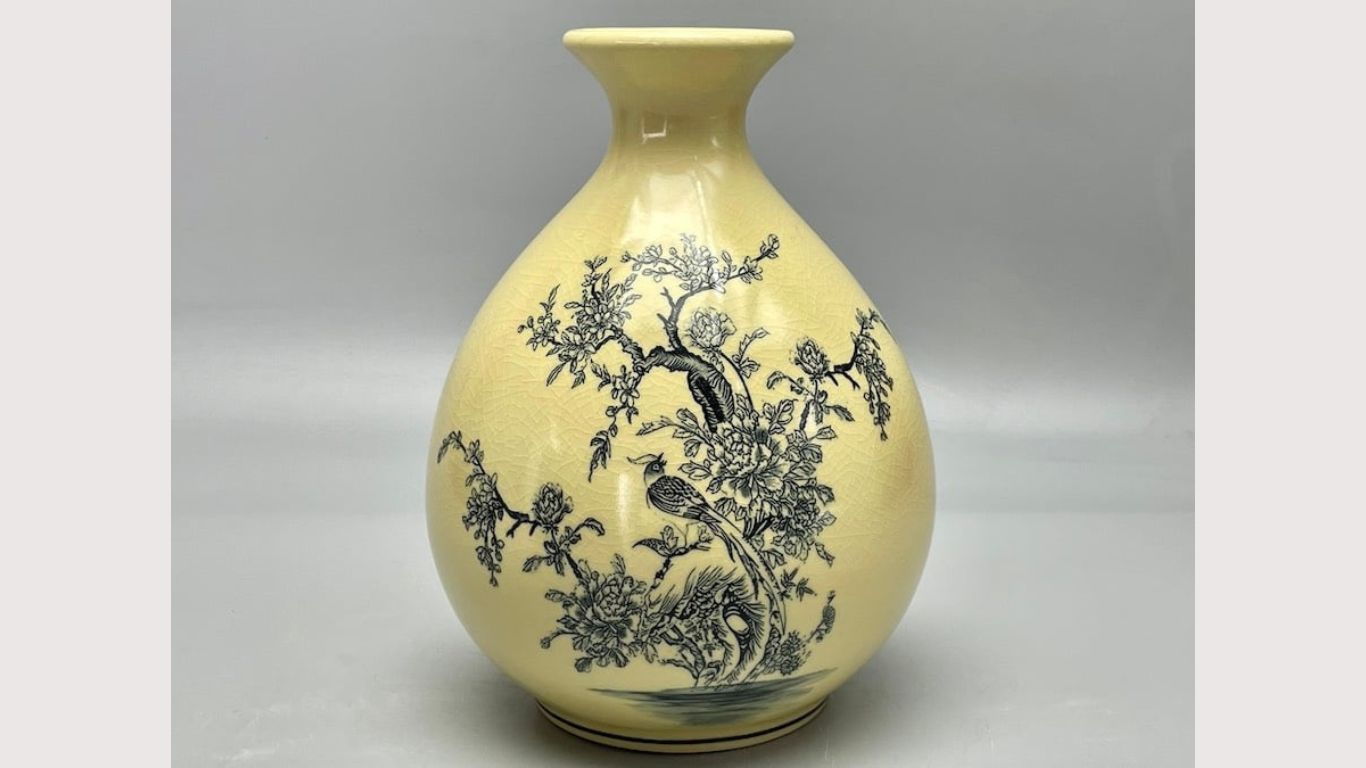
Hidden along the gentle banks of the Thai Binh River lies Chu Đậu, a small rural village in Thai Tan Commune, Nam Sach District, Hai Duong Province. For centuries, Chu Đậu appeared to be an ordinary Vietnamese countryside—peaceful, humble, and untouched by time.
Yet beneath its calm surface, Chu Đậu holds one of Vietnam’s greatest cultural treasures: a lost ceramic civilization that once reached the peak of global artistic and technical excellence.
Chu Đậu is not merely a craft village. It is one of the cradles of Vietnamese ceramics, a place where art, philosophy, religion, and craftsmanship converged to create masterpieces admired across Asia, the Middle East, and Europe.
Chu Đậu Village: Geography, Name, and Cultural Roots
The Meaning Behind the Name “Chu Đậu”
The name Chu Đậu itself reflects the village’s intimate relationship with water and trade:
-
“Chu” means boat
-
“Đậu” means anchored or docked
Together, Chu Đậu means “boats resting at the riverbank”—a symbolic name for a village once deeply connected to river trade and international maritime routes.
Nestled beside the Thai Binh River, Chu Đậu benefited from fertile land, abundant water, and strategic access to the Lục Đầu Giang (Six Rivers Delta)—a key economic and cultural hub of ancient northern Vietnam.
Chu Đậu Ceramics: A Golden Age of Vietnamese Ceramic Art
Ceramics as Heritage and Scholarly Art
According to historians and archaeologists, Chu Đậu ceramics flourished between the 14th and 15th centuries, reaching extraordinary levels of sophistication.
Unlike mass-produced pottery, Chu Đậu ceramics were considered “scholarly ceramics”—works deeply influenced by:
-
Buddhist compassion
-
Confucian order and morality
-
Vietnamese aesthetics rooted in nature
These ceramics were not decorative objects alone; they were cultural texts, telling stories of Vietnamese life, beliefs, and philosophy.
Techniques That Reached Global Standards
Chu Đậu artisans mastered advanced ceramic techniques centuries ahead of their time:
-
Wheel throwing and mold shaping
-
Complex assembly of ceramic parts
-
High-temperature kiln firing
-
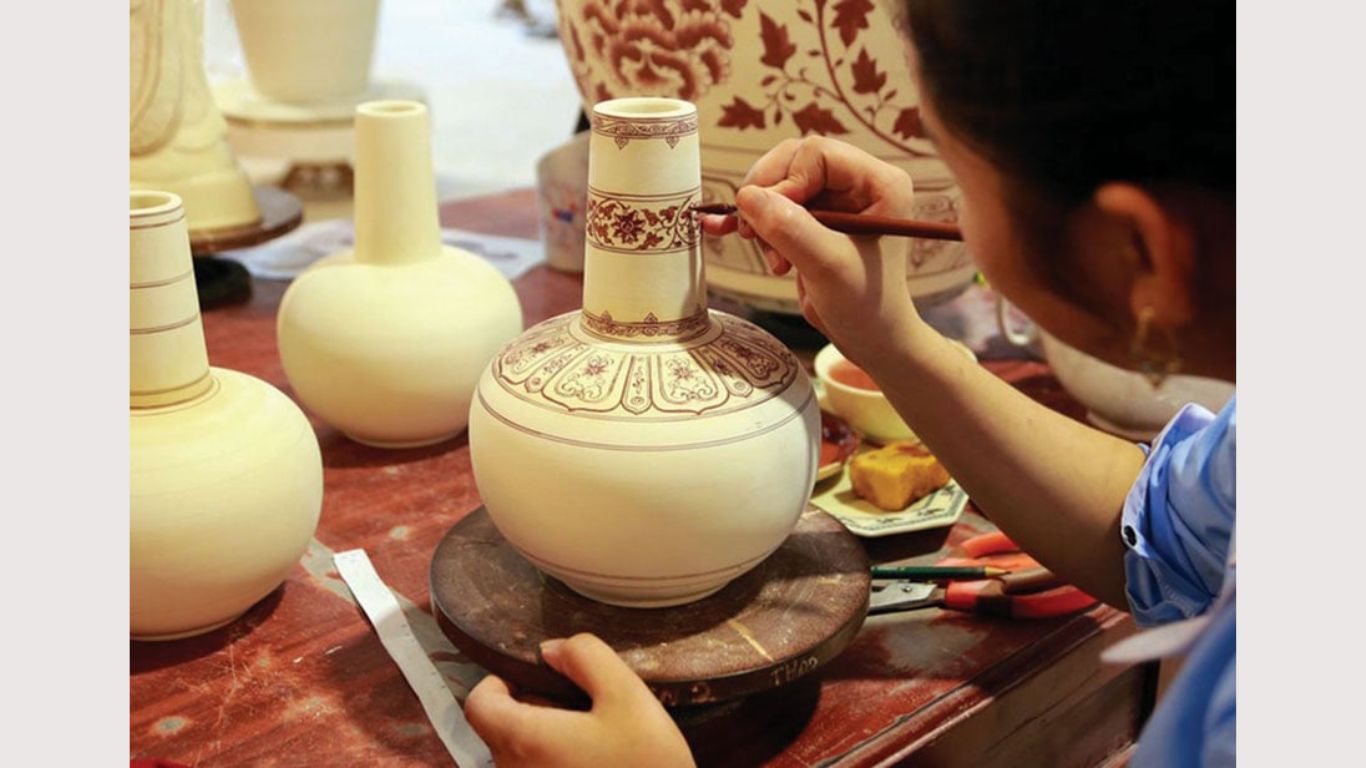
Use of white clay and blue underglaze (hoa lam)
The forms combined:
-
The elegant softness of Ly Dynasty ceramics
-
The strength and solidity of Tran Dynasty ceramics
This technical mastery positioned Chu Đậu among the world’s leading ceramic centers of its era.
The Fall of a Ceramic Empire: War, Politics, and Erasure
The Impact of the Lê–Mạc Civil War
After the 15th century, Chu Đậu ceramics mysteriously disappeared from historical records. The reason lies in one of Vietnam’s most turbulent periods: the Lê–Mạc civil war.
For over 60 years, northern Vietnam became the battlefield of brutal conflict. Artisans and farmers alike suffered from:
-
Crushing taxes
-
Forced labor
-
Destruction of villages and kilns
Following the defeat of the Mạc Dynasty, a systematic erasure of all Mạc-era cultural traces took place. Ceramic items bearing Mạc-era inscriptions—including Chu Đậu ceramics—were destroyed or suppressed.
Only such deliberate destruction could erase a thriving ceramic center of global stature from history.
The Rediscovery That Changed Everything
A Letter from Istanbul
The revival of Chu Đậu ceramics began unexpectedly—in Turkey.
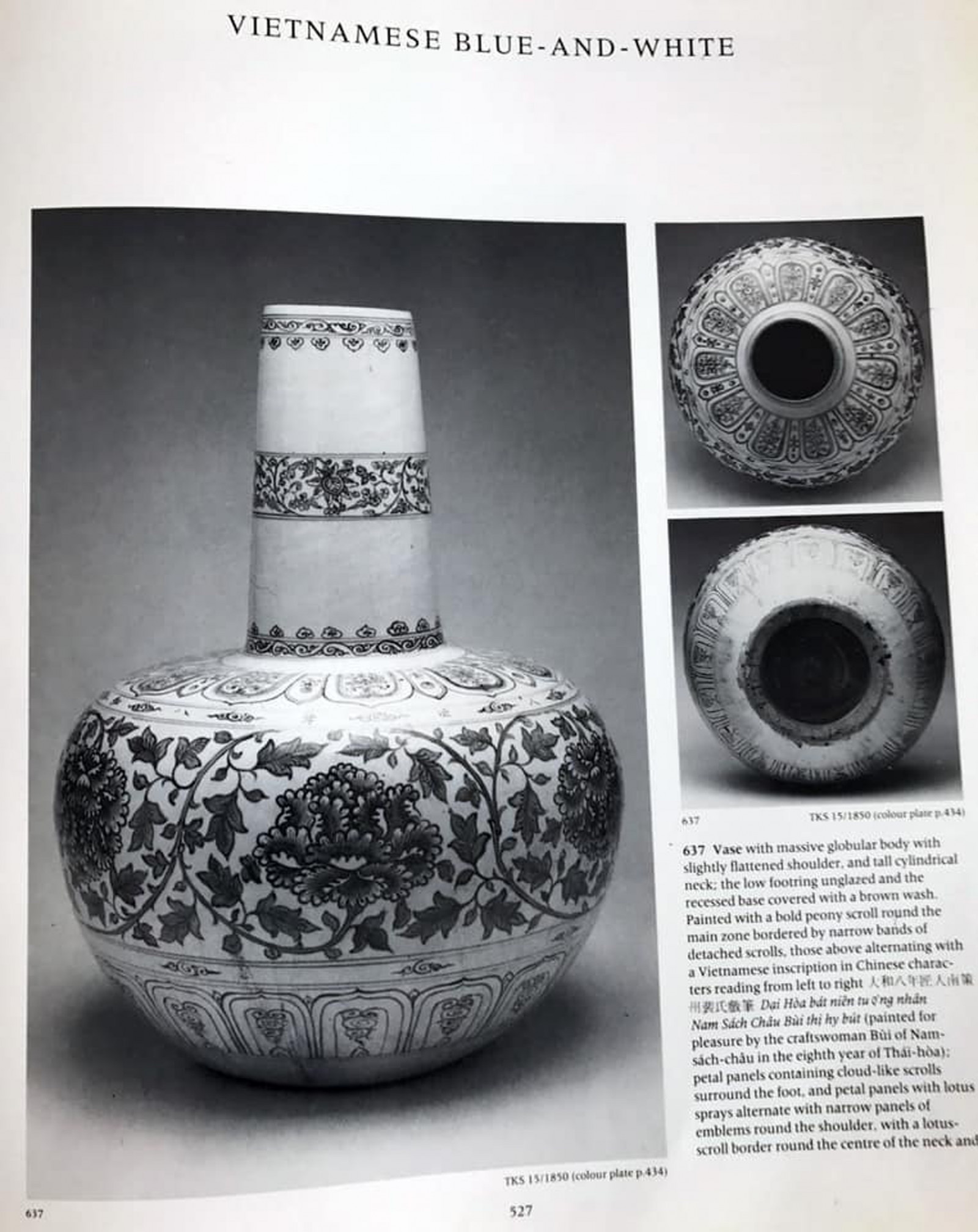
In the late 20th century, Makoto Anabuki, a Japanese cultural attaché, contacted Hai Duong authorities regarding a mysterious ceramic vase preserved at Topkapi Saray Museum (Istanbul).
The vase:
-
Stood 54 cm tall
-
Shaped like a garlic bulb
-
Decorated with lotus and chrysanthemum motifs
Most remarkably, it bore a 13-character Chinese inscription dating it to 1450, signed by a ceramic artisan from Nam Sach, Chu Đậu.
This single artifact reopened an entire lost chapter of Vietnamese heritage.
The Cù Lao Chàm Shipwreck Discovery
In 1992, another groundbreaking discovery occurred. Archaeologists recovered nearly 400,000 ceramic artifacts from a sunken ship near Cù Lao Chàm Island.
Scientific analysis confirmed that the majority were Chu Đậu ceramics, once exported via ancient maritime trade routes.
After centuries beneath the sea, Chu Đậu ceramics had finally returned to light.
The Artistry of Chu Đậu Ceramics
Vietnamese Nature Captured in Clay
Chu Đậu decorations are deeply Vietnamese, never imitating foreign myths or imagery. Artisans depicted:
-
Lotus flowers and chrysanthemums
-
Banana leaves and river birds
-
Ducks gliding across water
-
Stylized waves resembling Hùng Kings’ crowns
The brushwork ranged from disciplined precision to free-flowing, expressive strokes—yet always adhered to strict aesthetic harmony.
Signature Forms: The “Father” and “Mother” Vases
Among the most iconic Chu Đậu creations are:
-
The Blue-and-White Vase (Bình Hoa Lam) – symbolizing yang, the father, strength, and foundation
-
The Pear-Shaped Tỳ Bà Vase – symbolizing yin, the mother, femininity, and nurturing earth
These forms reflect ancient Vietnamese philosophy and the belief in balance between masculine and feminine forces.
Earth, Fire, and the Philosophy of Ceramics
In traditional thought, ceramics represent the perfect harmony of the Five Elements:
-
Metal (minerals in clay and glaze)
-
Wood (fuel)
-
Water (shaping)
-
Fire (firing)
-
Earth (the soul of ceramics)
Chu Đậu clay was sourced from Chi Linh, a sacred land where sediment from six rivers formed rare white clay—fine, elastic, mineral-rich, and exceptionally pure.
The clay underwent a meticulous four-stage traditional process: pounding, settling, filtering, and aging—sometimes for years.
Chu Đậu Today: Revival of a Craft Village
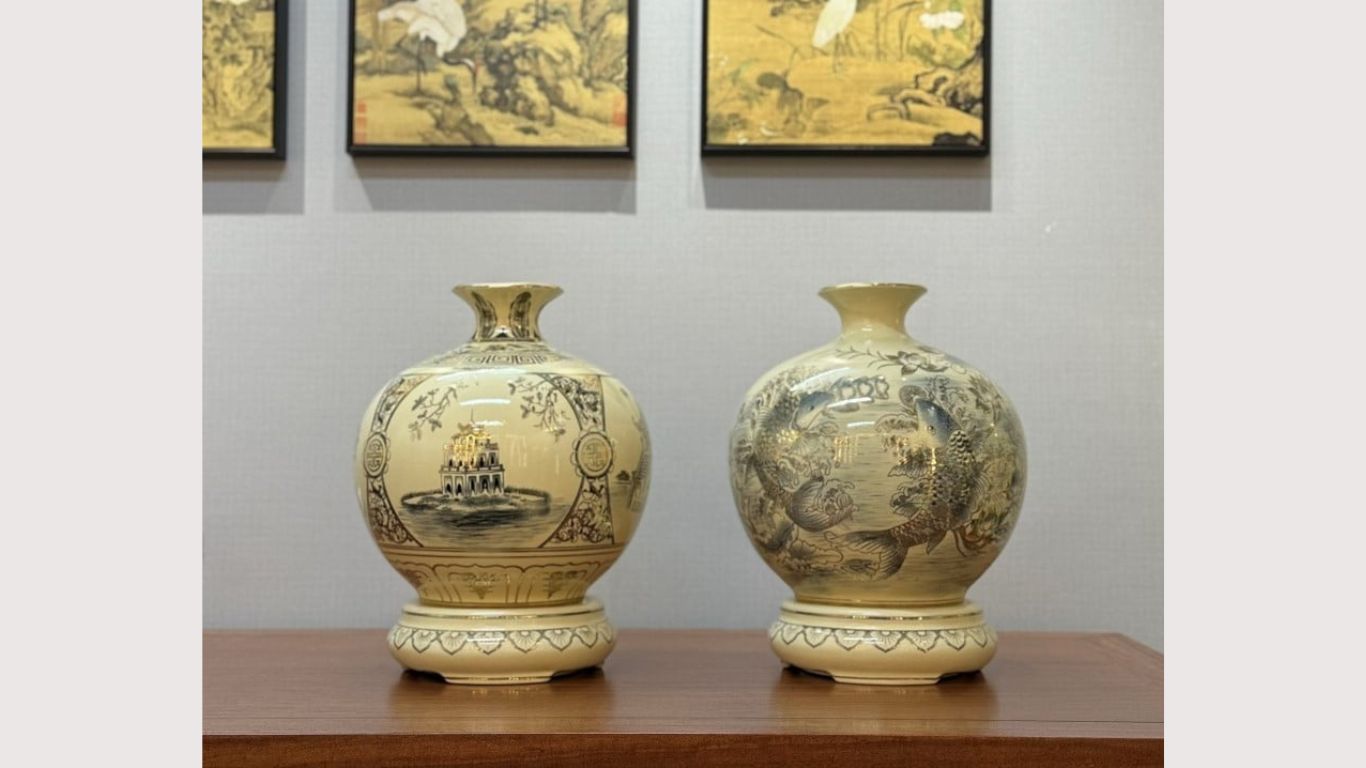
After nearly four centuries of silence, Chu Đậu ceramic village is reborn.
Today:
-
Chu Đậu ceramics are exported worldwide
-
Displayed in nearly 50 museums globally
-
Some pieces are valued at millions of dollars
Modern artisans, archaeologists, and cultural researchers continue to revive traditional techniques, ensuring the village’s legacy endures.
Chu Đậu Ceramics and Cultural Tourism
For travelers interested in heritage tourism, art villages, and Vietnamese craftsmanship, Chu Đậu offers:
-
Insight into ancient ceramic art
-
A living example of cultural resilience
-
A bridge between past and present
Chu Đậu is more than a destination—it is a story of loss, rediscovery, and revival, a testament to Vietnam’s enduring cultural soul.
When the Earth Remembers
People say: “Humans are the essence of Heaven; ceramics are the essence of Earth.”
To speak of ceramics is to speak of land, memory, and identity.
Chu Đậu reminds us that no heritage truly disappears—it waits patiently to be rediscovered.
You might also like to learn more about Bat Trang pottery village.
