

Discovering Historical Hue: A Journey Through Vietnam’s Imperial Past
Hue is a city steeped in history, a place where the grandeur of Vietnam’s imperial past blends seamlessly with the city’s tranquil beauty. Known as Historical Hue, this former capital of the Nguyen Dynasty lies along the serene Perfume River and is framed by verdant hills. While the royal legacy is a significant part of its charm, Hue offers much more—from its renowned cuisine to its beautiful architecture, adorned with tree-lined streets, moss-covered pagodas, and bustling markets. The Perfume River flows through Hue, creating a relaxed, unhurried atmosphere that is felt throughout the city.
Top Things to Do in Historical Hue
1. Explore the Imperial Citadel
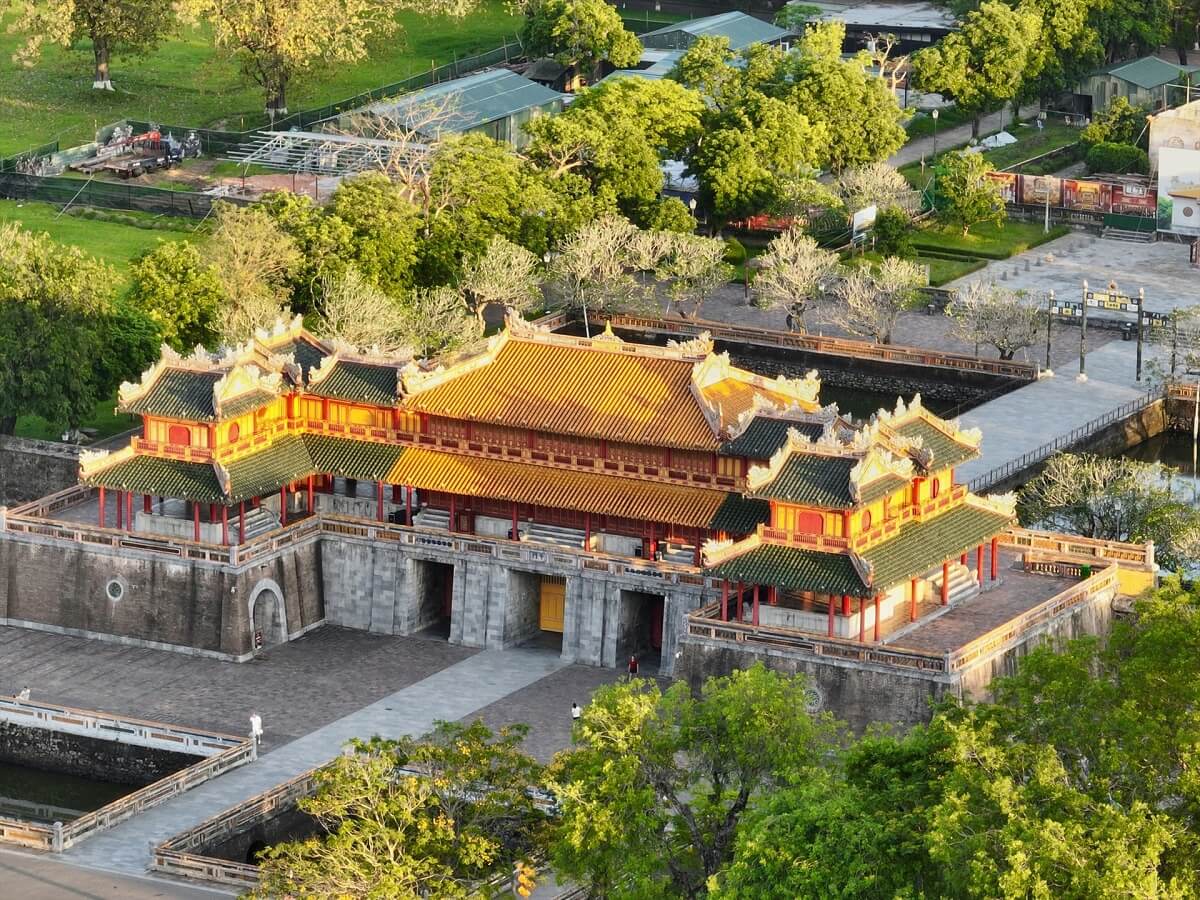
No visit to Historical Hue would be complete without exploring the Hue Citadel, the heart and soul of the Nguyen Dynasty. This UNESCO World Heritage site is an architectural masterpiece, where the splendor of Vietnam’s last royal family is preserved in the majestic palaces, pavilions, and theaters scattered throughout the Citadel. The complex is a microcosm of the Nguyen Empire’s grandeur, with intricately designed gates, imposing walls, and deep moats that once protected the royal family.
As you wander through the Forbidden Purple City—where only the emperor and his closest family members were allowed to enter—you’ll encounter hidden courtyards, regal buildings, and historical artifacts that tell the story of Vietnam’s imperial past. Don’t forget to visit the nearby royal tombs of Emperors Tu Duc, Minh Mang, and Khai Dinh, each one offering its own unique architecture and historical significance. The tombs are surrounded by lush landscapes, with statues and carvings that immortalize the achievements and personalities of these revered monarchs.
2. Savor Hue’s Royal Cuisine
Hue is not only known for its historical sites but also for its exquisite cuisine, which has been shaped by the royal court over centuries. The city’s food culture is a reflection of its imperial legacy, with intricate dishes once reserved for royalty now available to visitors from around the world. Begin your culinary journey at Dong Ba Market, a bustling marketplace where you can sample fresh produce, fragrant herbs, and vibrant local delicacies.
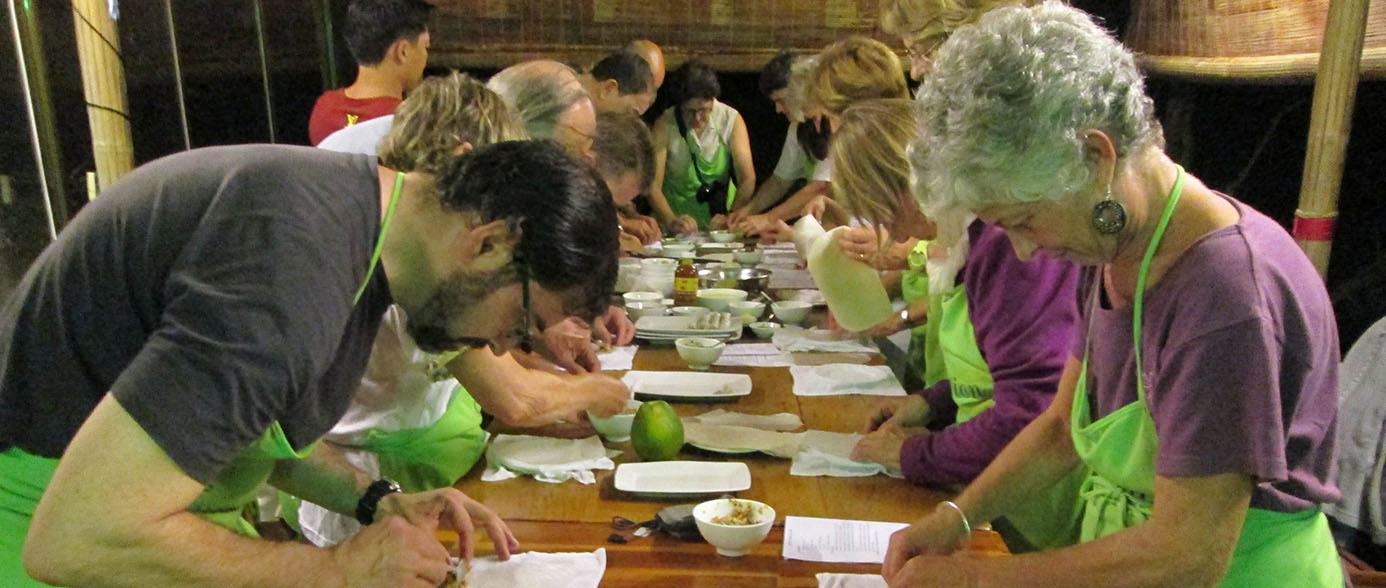
Don’t miss iconic dishes such as Banh Khoai (a crispy pancake filled with shrimp, pork, and bean sprouts) and Banh Beo (small rice cakes topped with shrimp and crispy shallots). For those looking to delve deeper into the secrets of Historical Hue cuisine, cooking classes offer a chance to learn the art of preparing these traditional dishes. These classes often include a visit to the market to select ingredients, giving you an authentic and hands-on experience of Hue’s culinary traditions. The city’s rich food history is as intricate as its royal past, with each dish telling a story of culture, ceremony, and refinement.
3. Experience Hue’s Buddhist Heritage
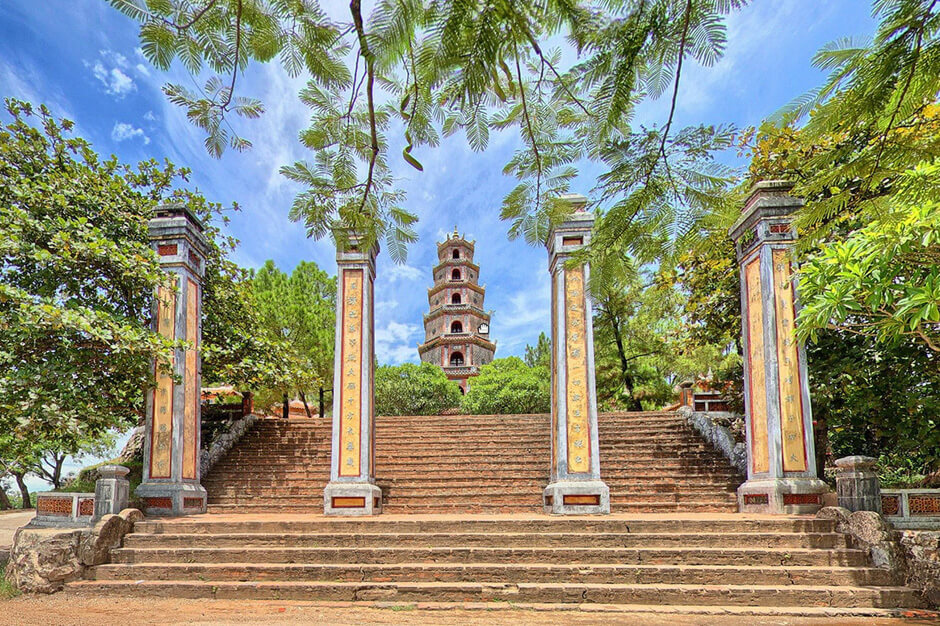
Hue’s spiritual heritage is just as rich and enduring as its imperial legacy. The city is home to many temples and monasteries, each one offering a glimpse into the deep-rooted Buddhist traditions that have shaped local life for centuries. A visit to the Thien Mu Pagoda, a seven-story structure standing majestically on the banks of the Perfume River, is a must. The pagoda, with its sweeping views of the river and surrounding countryside, is an iconic symbol of Hue’s tranquility and spiritual depth.
Hue is also the birthplace of Thich Nhat Hanh, one of the world’s most beloved Buddhist monks, who spent his early years at Tu Hieu Monastery. Here, you can explore the peaceful grounds, meditate, and reflect in an atmosphere of calm. Hue’s Buddhist culture is deeply intertwined with its values of respect, education, and harmony with nature, providing a serene backdrop for visitors seeking spiritual renewal.
4. Cycle Through Hue’s Countryside
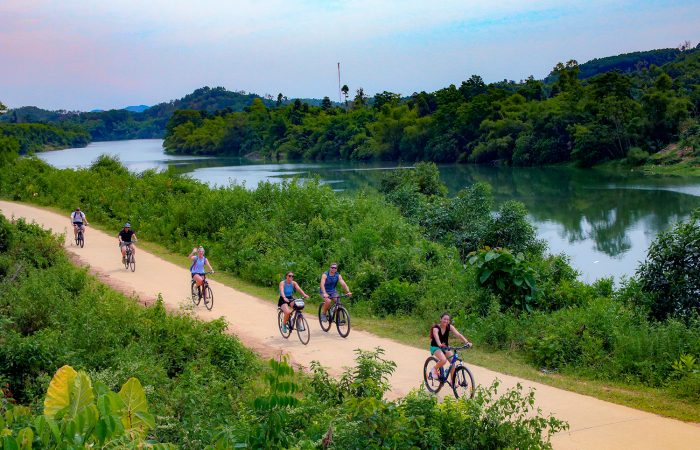
Historical Hue is not only about its grand monuments and royal past; its countryside offers charming landscapes perfect for a leisurely bike ride. Cycle through lush rice fields and past small farms to reach the Thanh Toan Tile Bridge. This quaint area, with its scenic vegetable farms, narrow footbridges, and flocks of ducks, captures the slower pace of life that makes Hue so inviting.
5. Discover Hue’s Colonial Heritage
Beyond the imperial sites, Historical Hue also boasts a blend of French colonial architecture. Architecture enthusiasts can stroll along Le Loi Street to admire buildings like the art deco La Residence Hotel and the bright red facades of Quoc Hoc High School, both remarkable examples of Hue’s colonial past. These buildings, with their distinct design and historical significance, add yet another layer to Hue’s multifaceted charm.
Why Visit Historical Hue?
Historical Hue is more than just a city; it’s a gateway into Vietnam’s vibrant past, blending royal history, cultural depth, and natural beauty. Whether you’re exploring the grandeur of the Hue Citadel, tasting royal-inspired dishes, or immersing yourself in the city’s Buddhist traditions, every corner of Hue tells a story.
