

Northeastern Vietnam is an incredible region of lush landscapes, traditional villages, and untouched beauty that offers an unforgettable travel experience. From the dramatic peaks of Ha Giang to the serene lakes of Bac Kan and the spectacular waterfalls of Cao Bang, each province in Northeastern
Vietnam offers unique adventures for nature lovers, history enthusiasts, and cultural explorers. This guide will take you through the must-visit sites in Ha Giang, Cao Bang, and Bac Kan, highlighting the natural wonders, cultural landmarks, and historical sites that make Northeastern Vietnam a true gem.
Ha Giang: A Land of Peaks and Culture
Ha Giang, located in Vietnam’s northernmost region, is renowned for its rugged mountains, winding roads, and vibrant ethnic communities. A road trip through Ha Giang’s **Dong Van Karst Plateau Geopark** unveils limestone peaks, deep valleys, and a landscape as dramatic as it is beautiful. Here are some unmissable spots in Ha Giang:
The Vuong Family Mansion (Dinh Vuong)
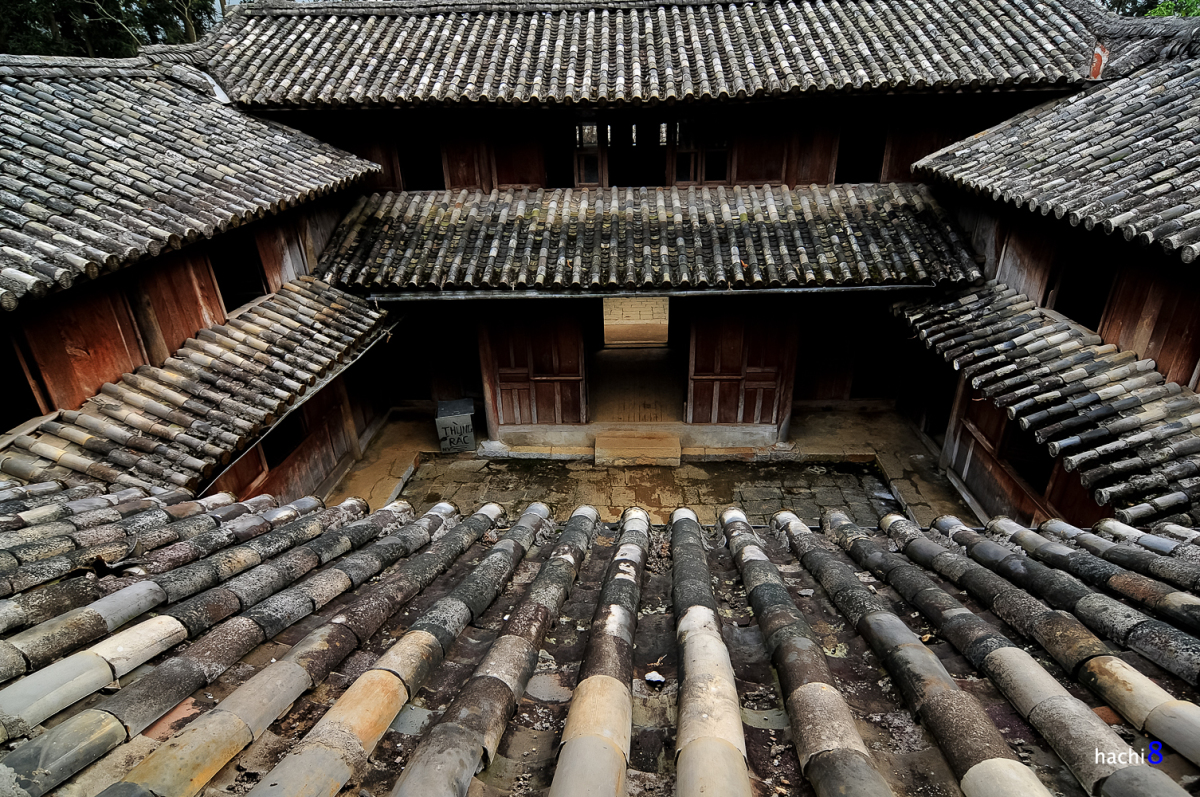
The Vuong Family Mansion, known as the Hmong King’s palace, is an architectural marvel and a cultural treasure in Ha Giang. Built in the early 20th century, this mansion reflects both Chinese and French architectural styles and tells the story of the Hmong royal family who once lived there. Surrounded by ancient trees and mountain vistas, this historical mansion offers a glimpse into the region’s rich cultural heritage.
Lung Cu Flag Tower
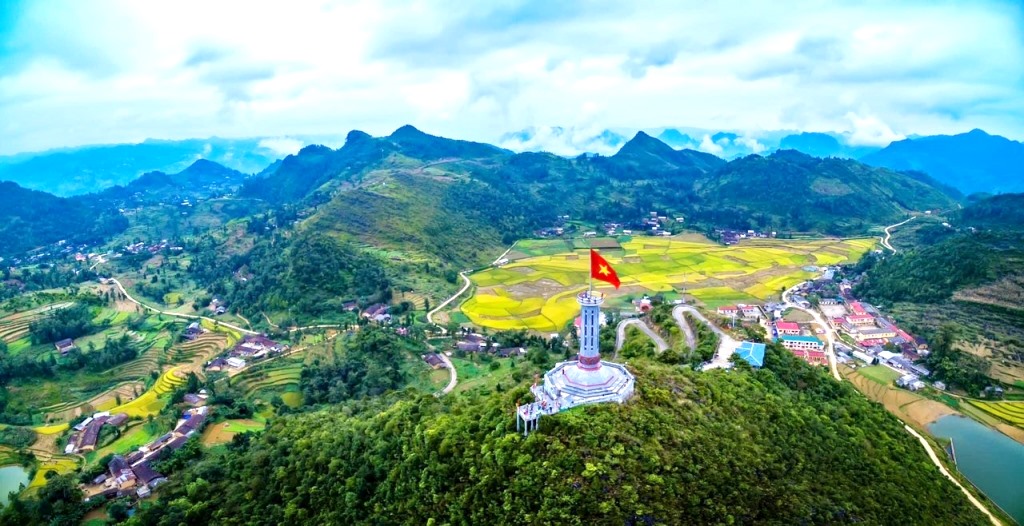
Lung Cu, often called “the Roof of Vietnam,” is the northernmost point of the country, standing proud as a symbol of national pride. Located atop Dragon Mountain, the Lung Cu Flag Tower marks the border between Vietnam and China. Climbing up to the flag tower offers breathtaking views of the landscape, which stretches far into China, making it a must-visit spot for travelers exploring Northeastern Vietnam.
Ma Pi Leng Pass
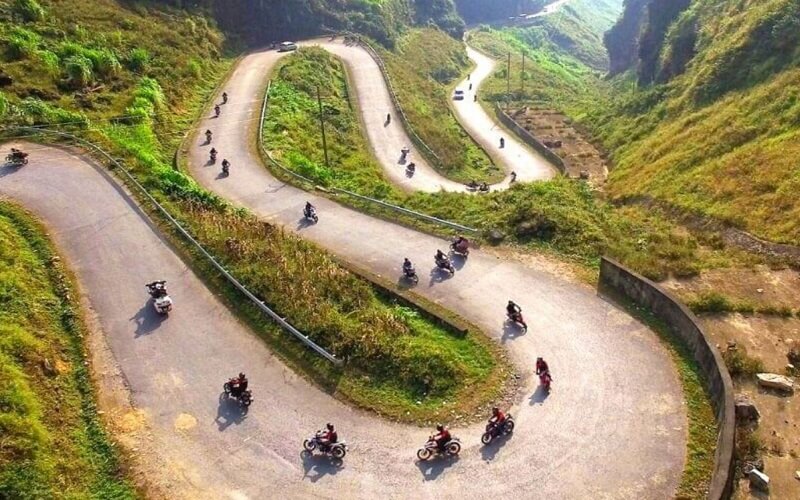
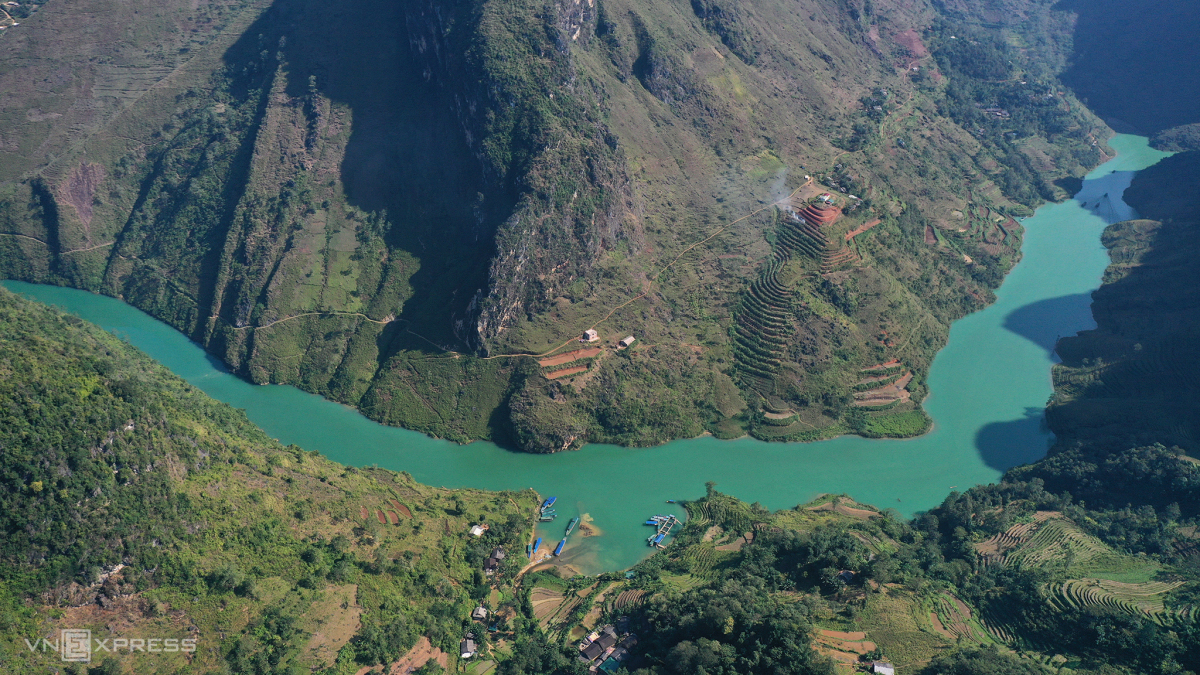
Arguably the most famous pass in Vietnam, **Ma Pi Leng Pass** is a narrow, winding road that stretches through towering limestone mountains and deep valleys. The road offers panoramic views of the Nho Que River, which flows serenely below. Known for its hairpin turns and sheer drop-offs, Ma Pi Leng is both thrilling and awe-inspiring, making it an essential part of any Ha Giang itinerary.
Cao Bang: Waterfalls, Caves, and Cultural Heritage
Cao Bang province is famous for its stunning natural beauty, with towering mountains, crystal-clear rivers, and magnificent waterfalls. It’s an adventurer’s paradise, with plenty of cultural and historical sites. Let’s explore some of the highlights:
Khau Coc Cha Pass
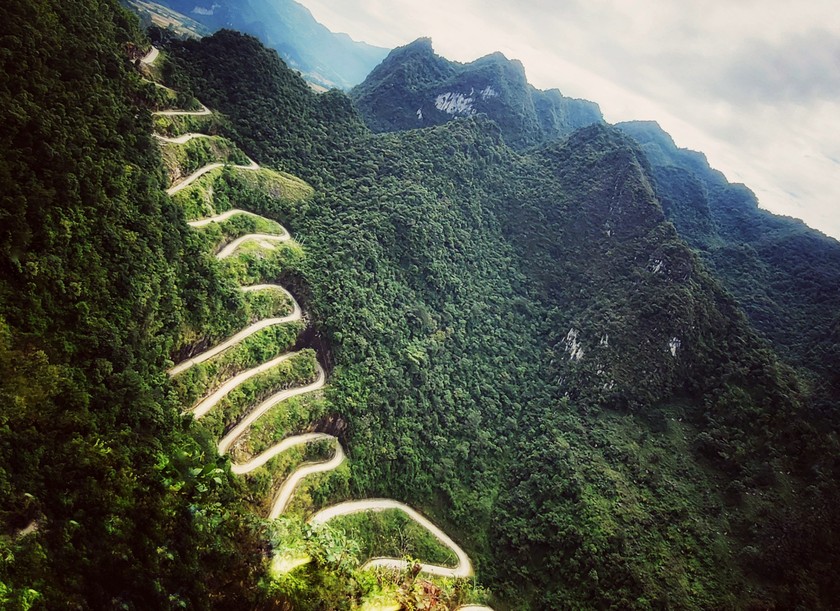
Khau Coc Cha Pass is an excellent destination for nature lovers looking to capture spectacular views. As you wind through the mountains, the breathtaking scenery unfolds around you, with terraced rice paddies, jagged peaks, and lush greenery. Often wrapped in clouds, this pass offers an immersive experience in the untamed beauty of Cao Bang.
Ban Gioc Waterfall
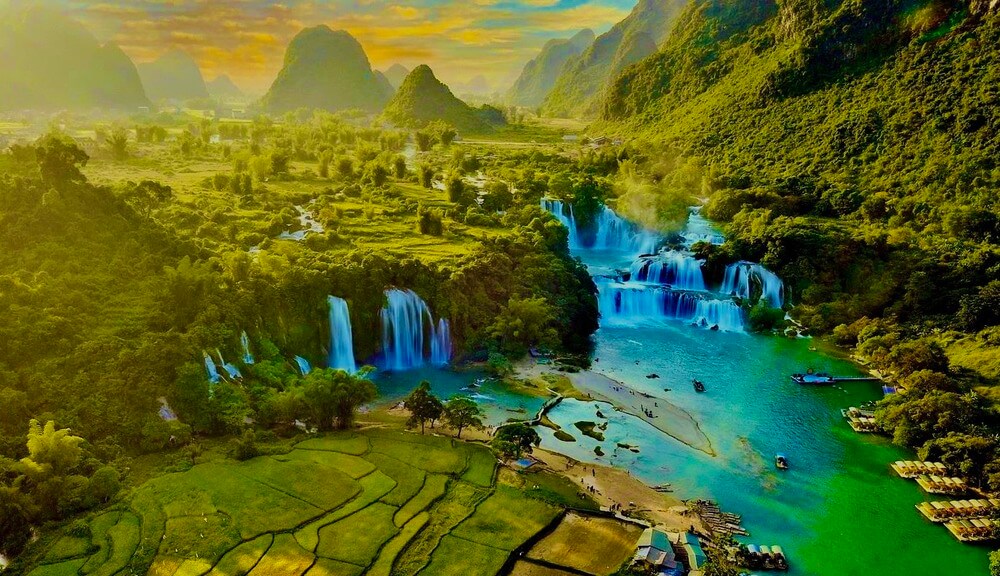
One of Asia’s most magnificent waterfalls, **Ban Gioc** spans the Vietnam-China border and cascades down in stunning tiers. It’s one of the largest waterfalls in Vietnam and a sight to behold, especially during the rainy season when the water flow is at its peak. You can take a bamboo raft close to the falls or simply admire the grandeur from the viewing points.
Nguom Ngao Cave
Nguom Ngao, or **Tiger Cave**, is a natural wonder filled with intricate limestone formations, stalactites, and stalagmites. Located near Ban Gioc Waterfall, the cave extends for kilometers underground and offers an adventurous and awe-inspiring experience. Guided tours of the cave allow visitors to explore its vast chambers and witness nature’s artistry.
Khuoi Ky Ancient Stone Village
In the heart of Cao Bang, **Khuoi Ky Village** is known for its unique stone houses that are more than 100 years old. This ancient Tay ethnic village offers a glimpse into the traditional lifestyle of the local community. Visiting Khuoi Ky provides an opportunity to learn about local customs, enjoy the serene atmosphere, and capture the timeless beauty of a stone-built village.
Pac Bo Historical Site
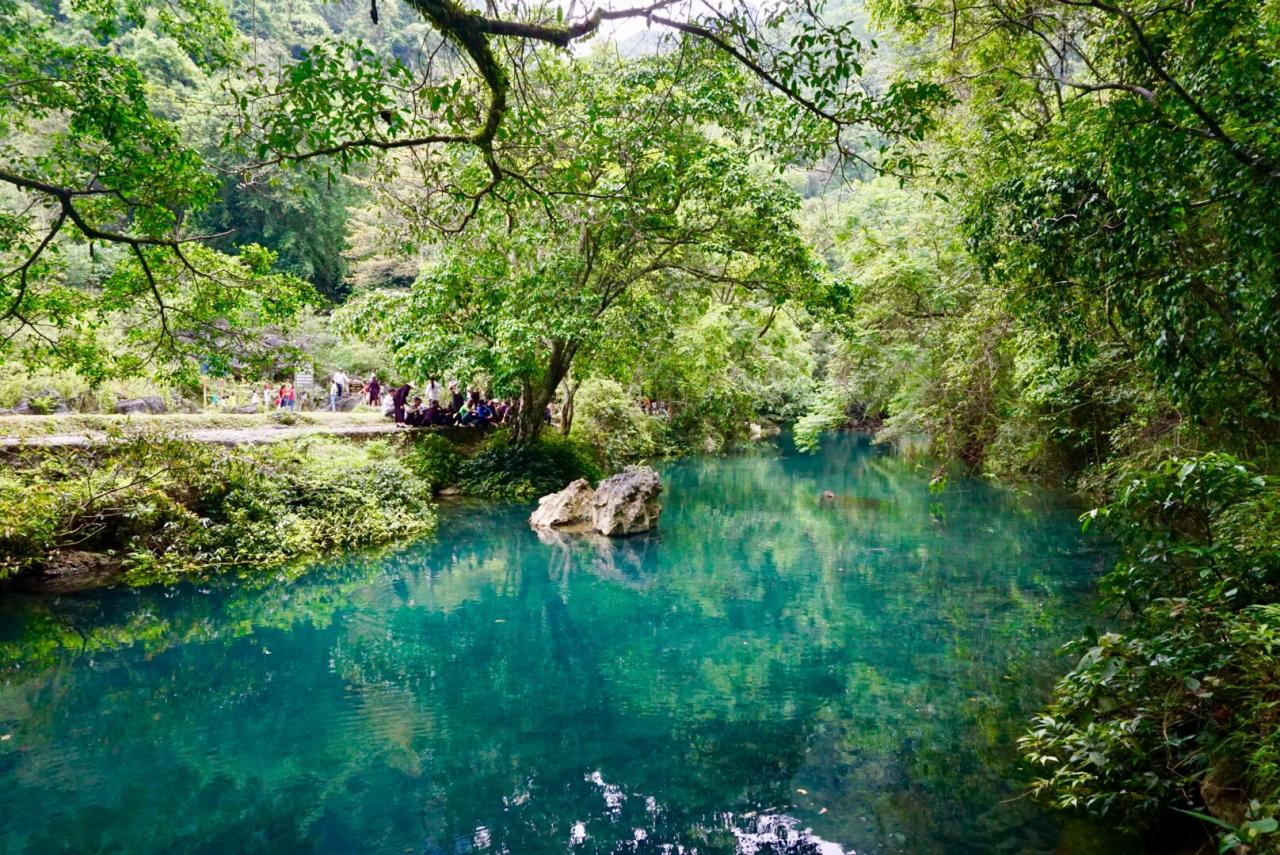
Pac Bo is an important historical site where Ho Chi Minh lived and worked in 1941 when he returned to Vietnam after 30 years of exile. The site includes **Coc Bo Cave**, Lenin Stream, and various memorials dedicated to Ho Chi Minh. Surrounded by pristine nature, Pac Bo is a peaceful place to reflect on Vietnam’s history and the resilience of its people.
The Eye of God Mountain (Mat Than Mountain)
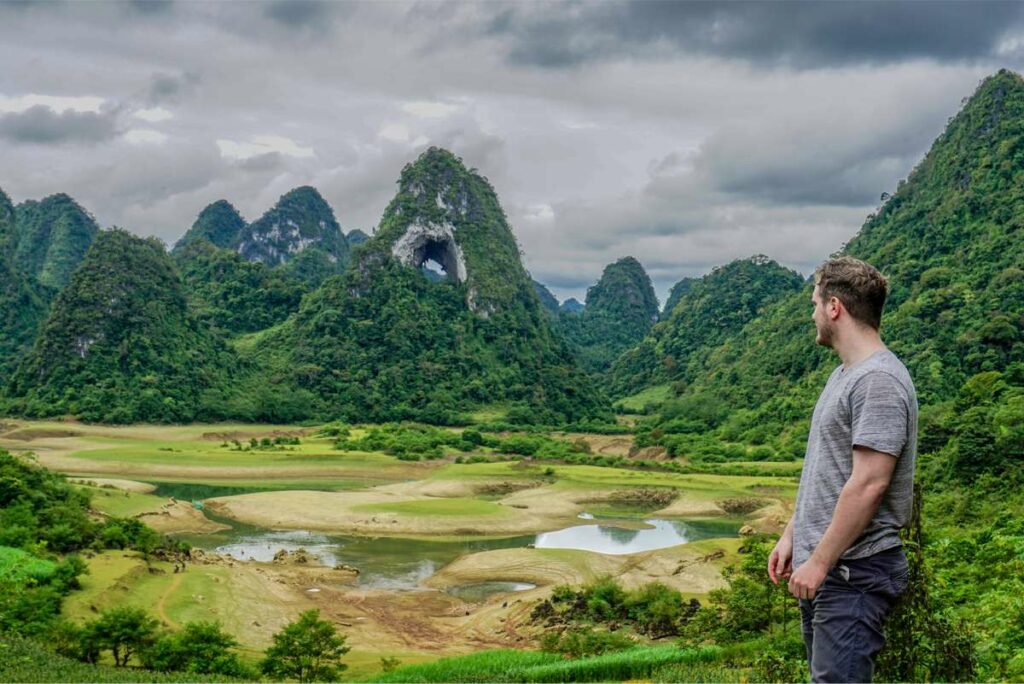
Nicknamed **The Eye of God** for its distinctive round hole in the middle of the cliff, this mountain is a unique natural phenomenon located in Cao Bang. The landscape surrounding Mat Than is equally impressive, with rolling hills, tranquil lakes, and rice fields that make for stunning photos and unforgettable views.
Bac Kan: Nature’s Retreat at Ba Be National Park
Nestled in Bac Kan province, Ba Be National Park is a paradise of lakes, rivers, waterfalls, and lush forests, offering an ideal escape for nature lovers. Known for its biodiversity, the park is home to rare plant species, diverse wildlife, and breathtaking scenery.
Ba Be National Park: An Unspoiled Natural Wonder
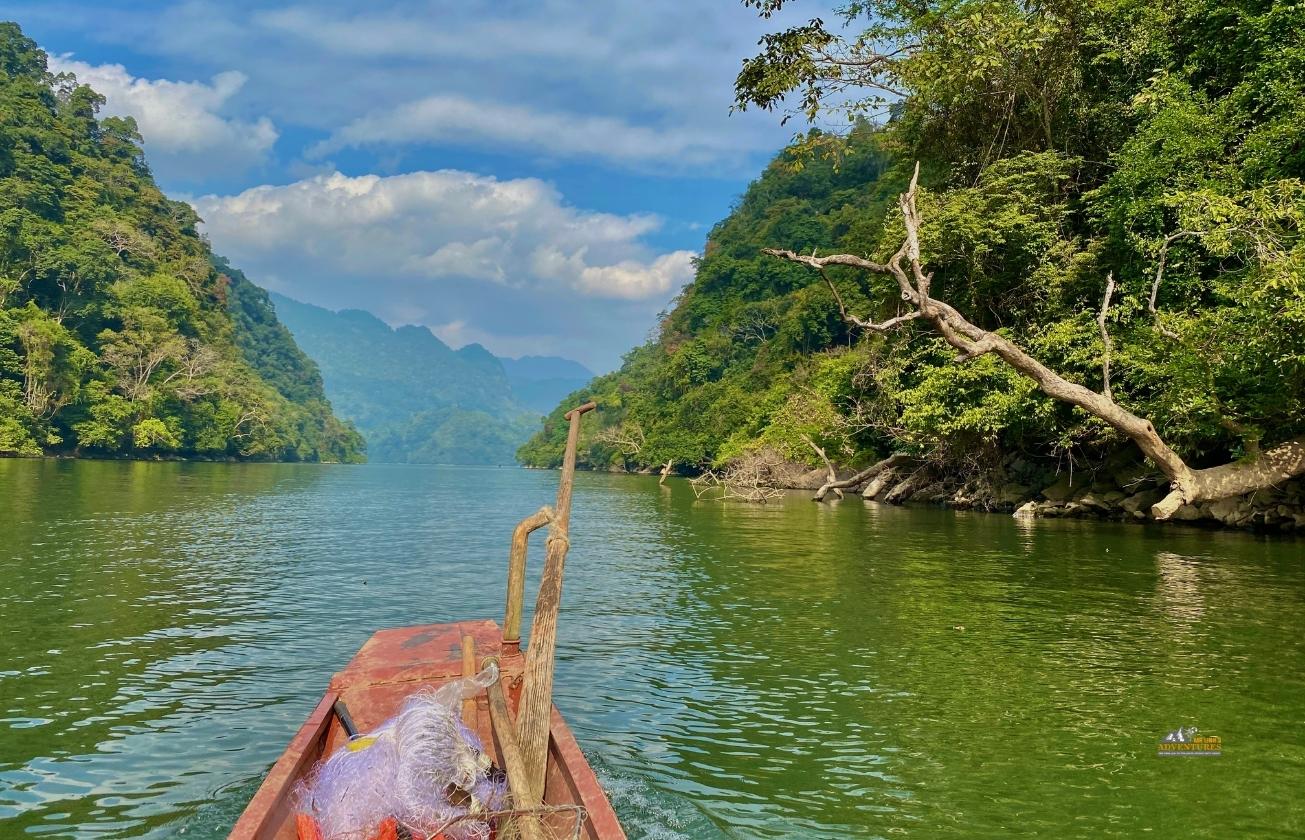
The centerpiece of Ba Be National Park is Ba Be Lake, one of Vietnam’s largest natural freshwater lakes, Natural beauty of Northeastern Vietnam. Surrounded by limestone mountains, dense jungles, and serene waterways, Ba Be offers various activities such as boating, kayaking, and hiking. The park’s tranquil environment and the presence of local Tay communities add to its charm, making it an ideal destination for those looking to escape the crowds and connect with nature.
Highlights in Ba Be National Park:
Ba Be Lake
– **Boating on Ba Be Lake**: Take a boat ride on the emerald waters of Ba Be Lake, where you’ll pass by towering cliffs, small islands, and scenic coves.
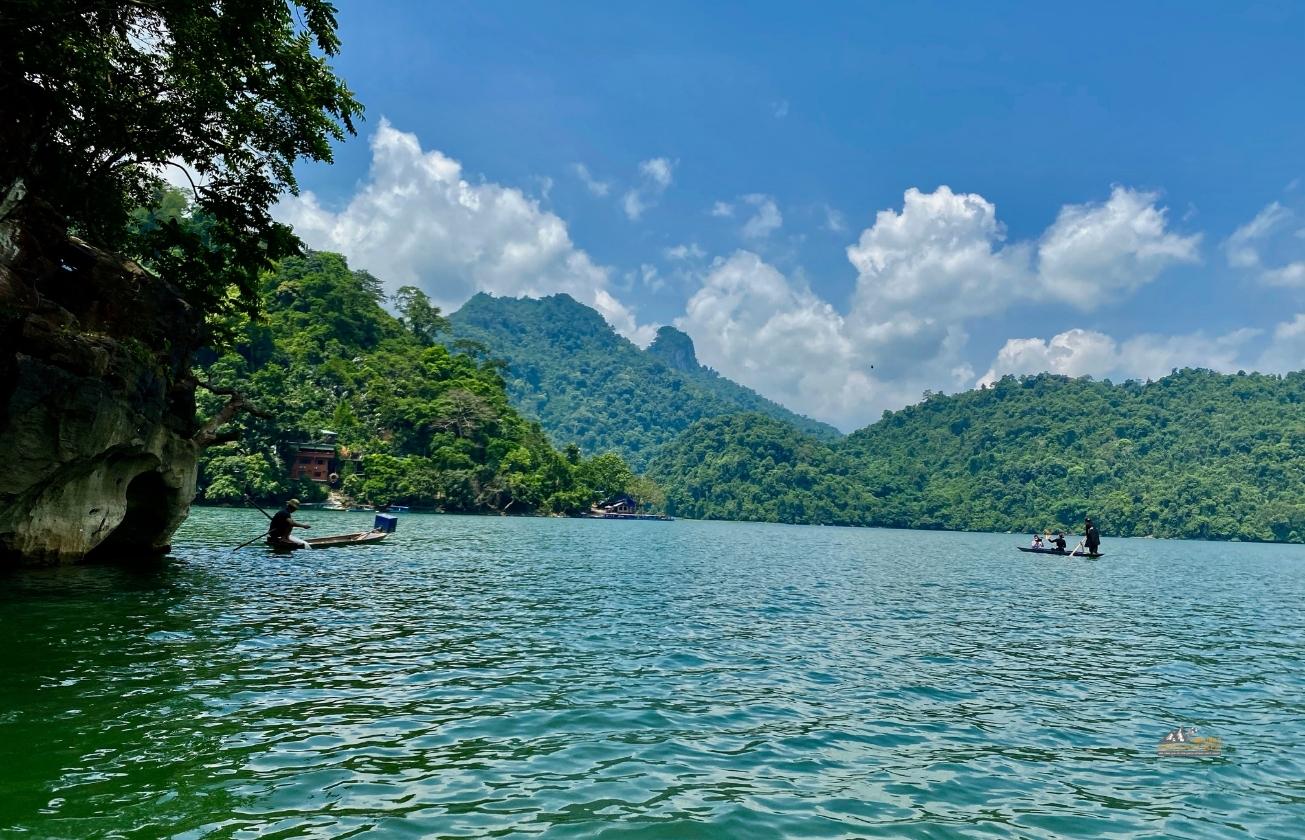
Puong Cave, Bac Kan, Vietnam
– **Puong Cave**: This large limestone cave is known for its fascinating rock formations and thousands of bats that reside within.
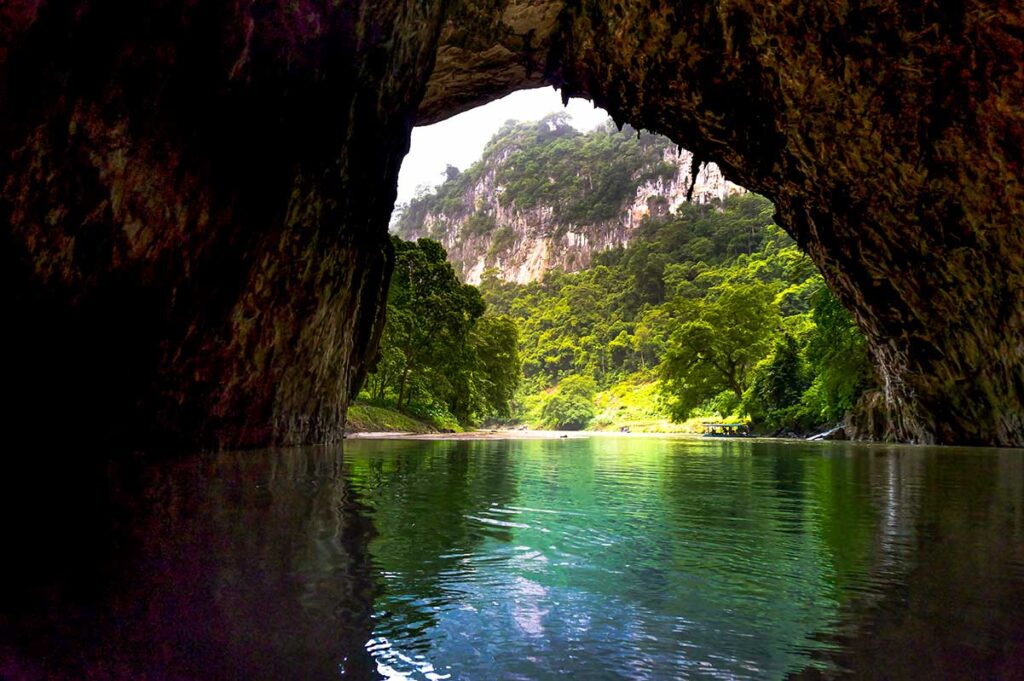
Dau Dang Waterfall, Bac Kan, Vietnam
– **Dau Dang Waterfall**: Located on the outskirts of the lake, this powerful waterfall tumbles through a narrow gorge, offering a refreshing spot for a break.
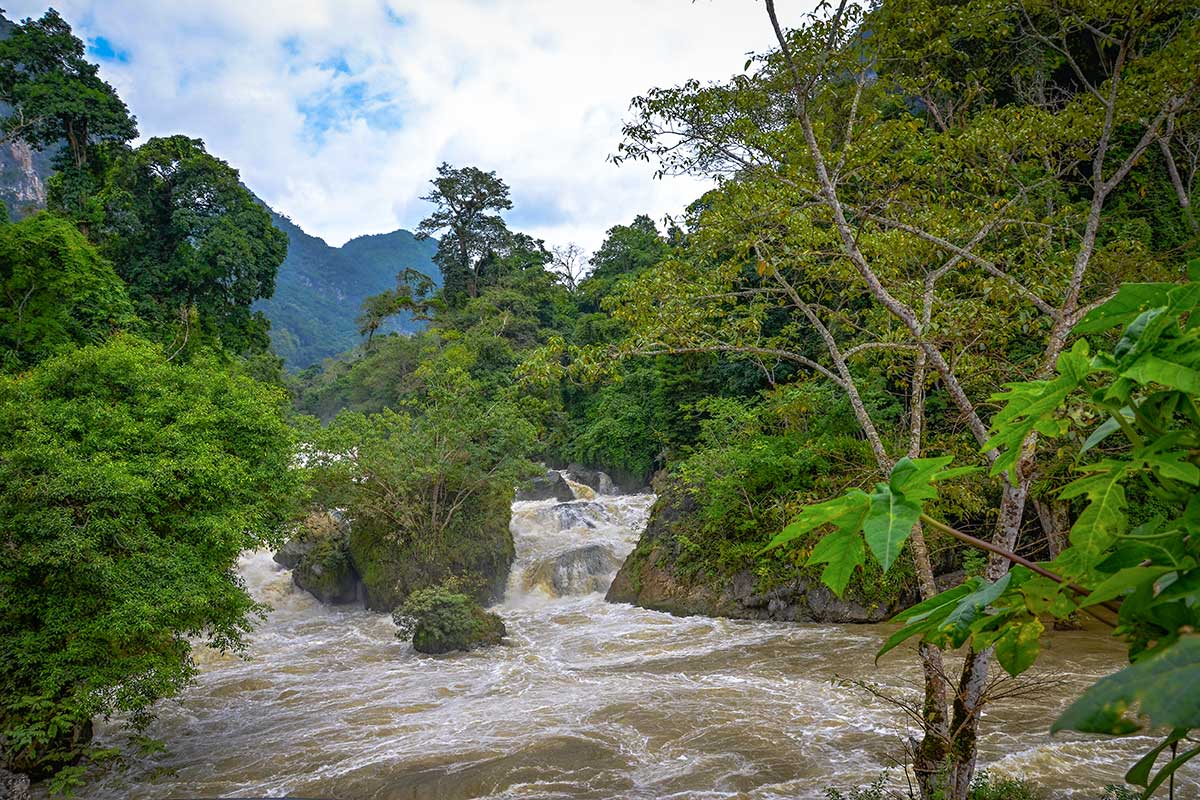
Planning Your Trip to Northeastern Vietnam
Northeastern Vietnam is a region best explored at a leisurely pace, allowing time to soak in the scenery and connect with local cultures. Here are a few tips to make your journey smooth:
– **Best Time to Visit**: The best time to explore Northeastern Vietnam is from **September to November** and **March to May**, when the weather is cool and dry. This timing also ensures the landscapes are lush and the views are clear.
– **Transportation**: Traveling in Northeastern Vietnam often involves long-distance buses, motorbikes, or organized tours due to the mountainous terrain. Renting a motorbike is a popular way to experience Ha Giang’s scenic routes, while Cao Bang and Bac Kan are best explored with local transport or private tours.
– **Accommodation**: From homestays to eco-lodges, Northeastern Vietnam offers a variety of accommodations. Staying with local families in homestays is a great way to immerse yourself in local culture while enjoying a more personalized experience.
Final Thoughts: Discover the Untamed Beauty of Northeastern Vietnam
Northeastern Vietnam offers a journey of discovery, filled with breathtaking landscapes, historical sites, and rich cultural experiences. Whether it’s the limestone cliffs of Ha Giang, the waterfalls of Cao Bang, or the serene lakes of Ba Be in Bac Kan, each destination has something unique and unforgettable. Perfect for those seeking adventure, tranquility, and authenticity, Northeastern Vietnam invites travelers to explore its rugged beauty and immerse themselves in the warmth and hospitality of its people.
Start planning your trip today to experience the untamed charm of **Northeastern Vietnam** and uncover the treasures of Ha Giang, Cao Bang, and Bac Kan for an adventure like no other.
