

A Difficult 2025 for the Central of Vietnam
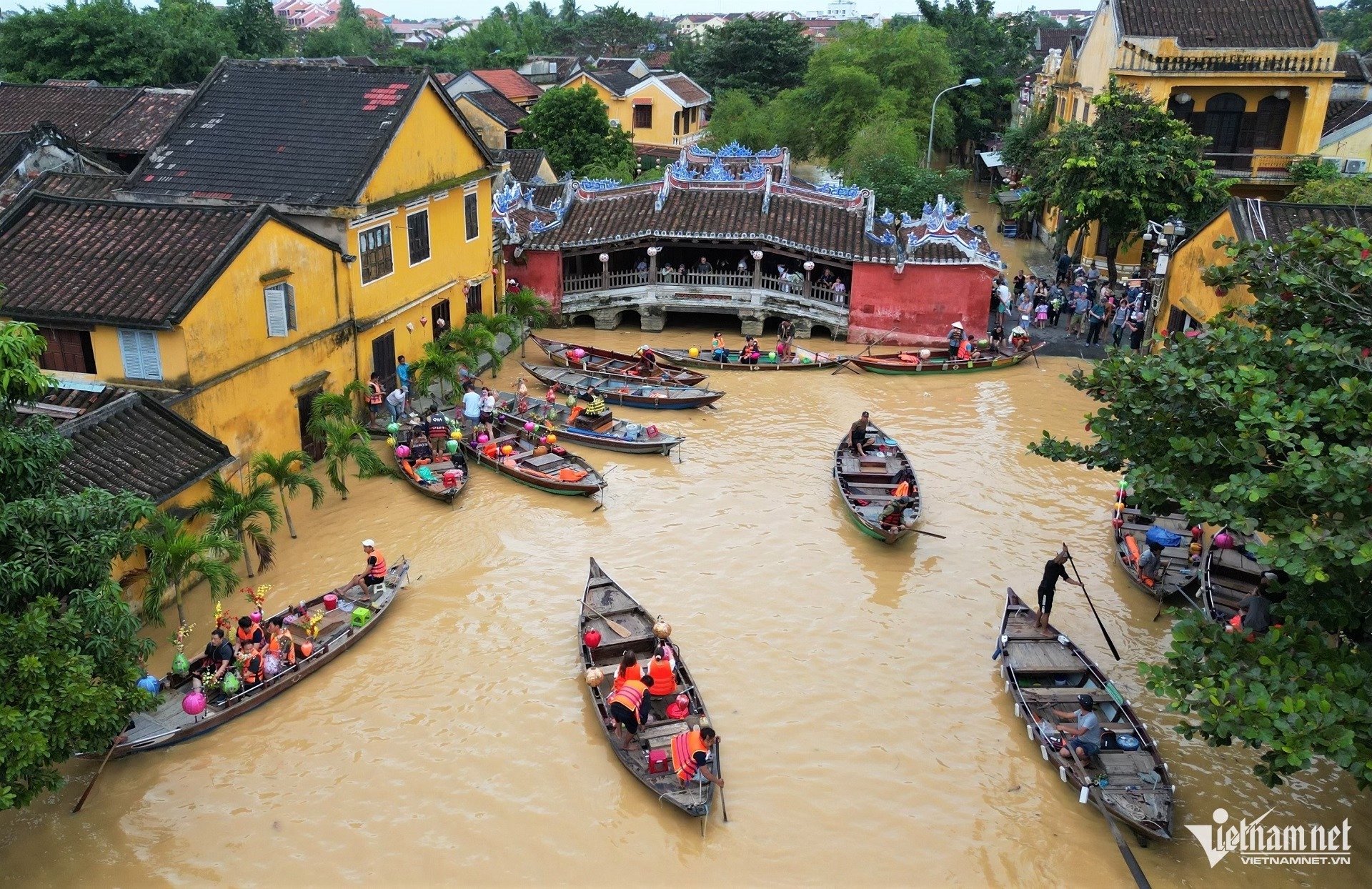
The Central of Vietnam, known for its postcard-perfect beaches, UNESCO ancient towns, and lush mountain landscapes, faced one of its most challenging years in recent memory. The return of La Niña in 2025 brought heavier-than-usual rainfall, storms arriving earlier than predicted, and prolonged flooding across the region. Among the worst affected was the beloved town of Hoi An, a UNESCO World Heritage Site known for its lantern-lit evenings, local handicraft traditions, and peaceful riverside life.
What was expected to be a year of celebration—reviving tourism after several years of global uncertainty—became a year of damage control and community resilience. Streets that usually bustle with tourists turned into rivers, markets closed temporarily, and many families whose livelihoods depend on tourism faced weeks of disruption.
Still, if there is one message emerging from the Central region today, it is this:
The people are rebuilding, and your visit in 2026 can make a real difference.
Hoi An in 2025: A Town Tested by Water
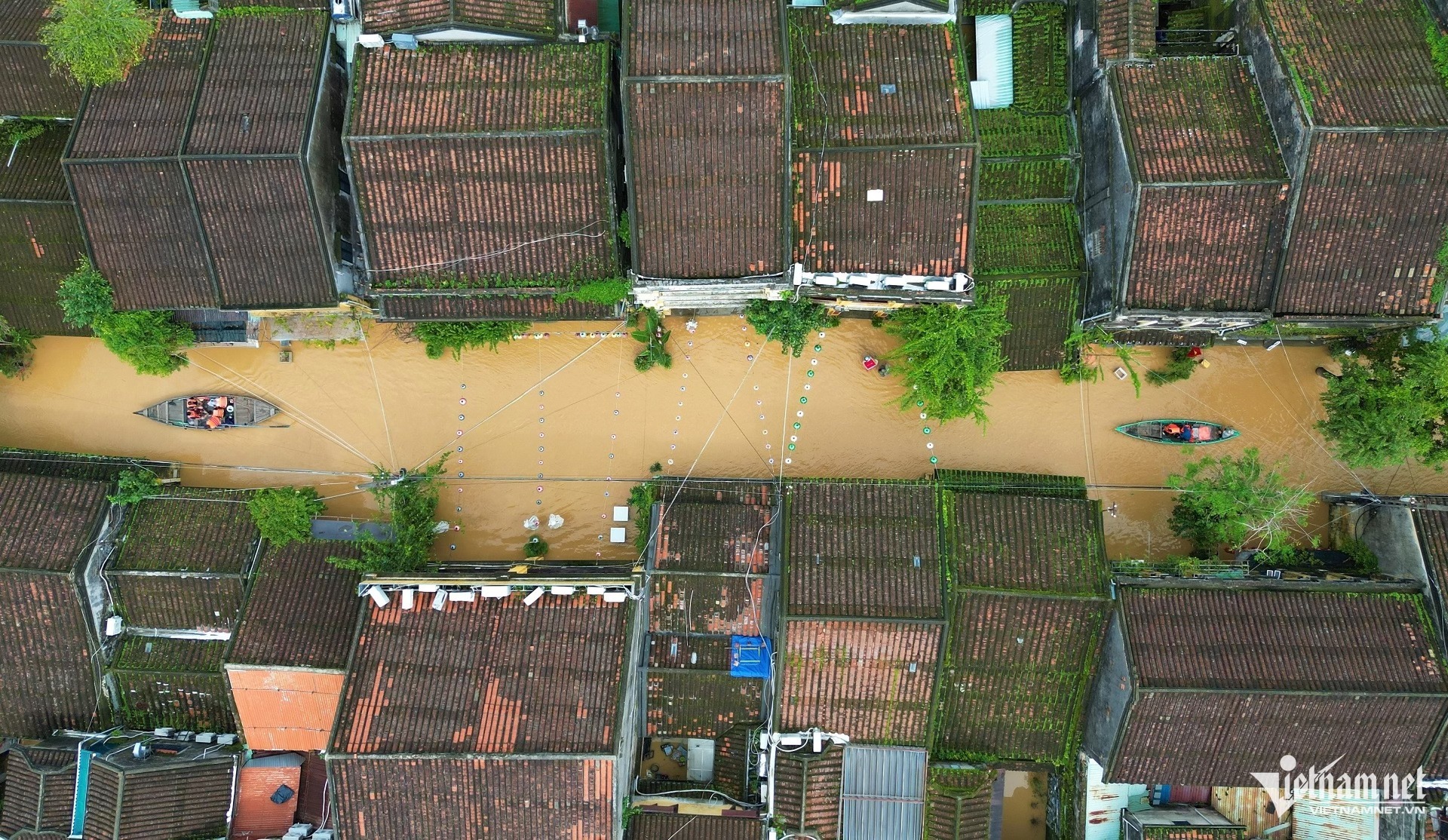
Hoi An is no stranger to seasonal flooding. For centuries, the Thu Bon River has shaped both the town’s geography and its character. But in 2025, La Niña shifted the scale.
Heavy rainfall from October through December caused the river to overflow repeatedly. Water climbed into the UNESCO old town, reaching shop steps, pushing boats into the market square, and forcing residents to move valuables to upper floors. Local cafés and tailors who rely heavily on tourism temporarily closed their doors.
Despite the hardship, the community’s spirit was truly remarkable. Neighbors helped neighbors. Young volunteers delivered food and supplies. Local officials organized rapid drainage plans to protect the most historic architecture. The people of Hoi An once again demonstrated their resilience and deep sense of unity.
And today, in early 2026, Hoi An is open—determined to welcome travelers back to its streets, its markets, and its rivers.
The Rest of the Central Coast: Storms, Slides, and Resilience
While Hoi An captured much of the media’s attention, the Central of Vietnam as a whole suffered from La Niña’s widespread impact.
Hue: Historical treasures at risk
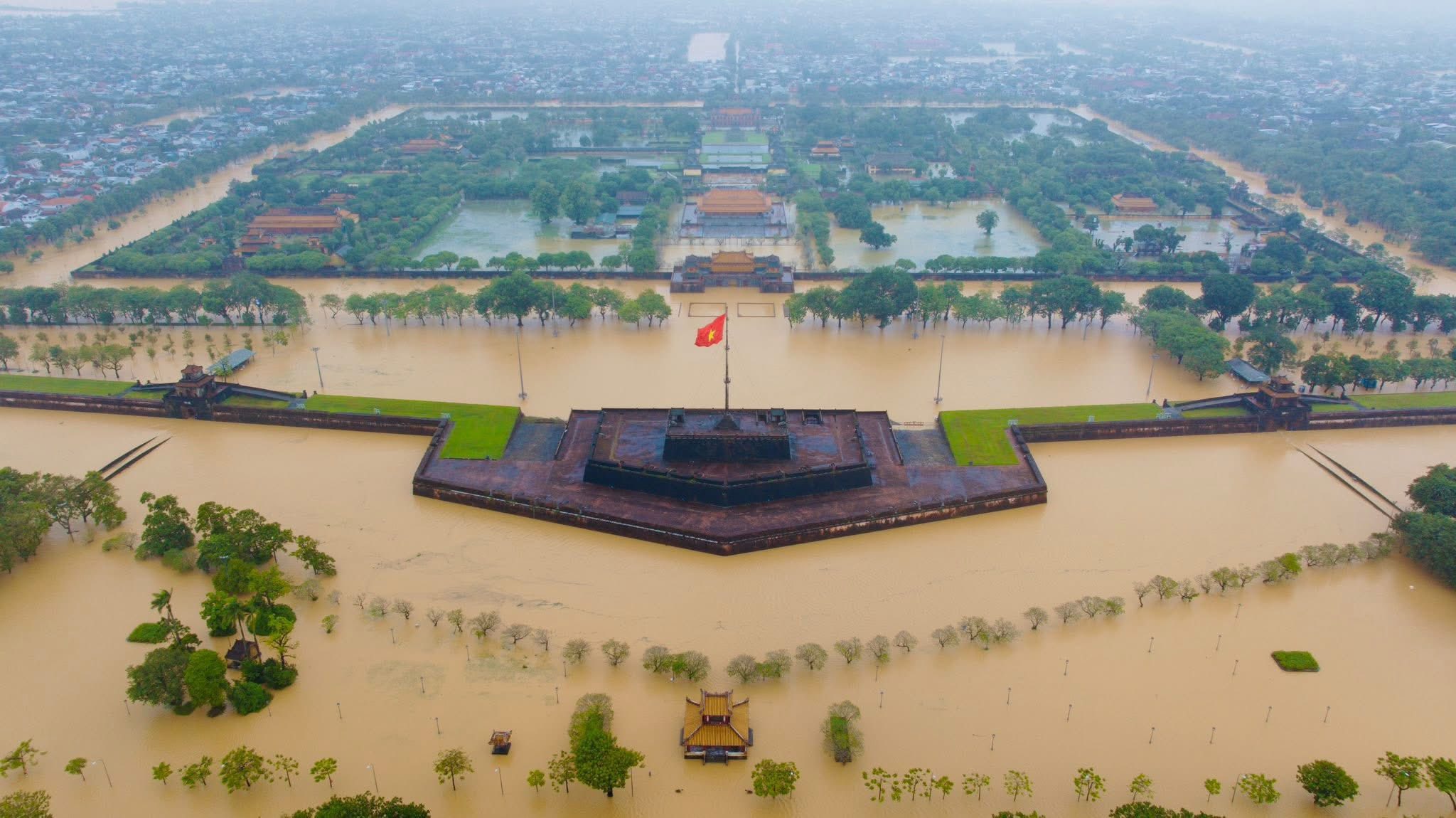
The Imperial City faced heavy rain that seeped into ruined walls and heritage structures. Preservation teams worked overtime to stabilize vulnerable sections, and local communities supported ongoing repairs.
Da Nang: Urban flooding and coastal erosion
Da Nang’s drainage systems were pushed beyond their limits, causing temporary urban flooding. Additionally, coastal erosion intensified on several beaches, affecting the livelihoods of fishermen and beachside vendors.
Quang Binh and Quang Tri: Mountain slides and disrupted travel
Inland regions saw landslides affect rural roads and local agricultural communities. Tourism to sites like Phong Nha–Ke Bang National Park slowed due to disrupted access routes, reducing income for eco-tourism families.
Through all of this, the message from Central Vietnam remained hopeful:
We will recover—and we hope travelers will walk beside us in that recovery.
Vietnam Travel Recover After a Year of Natural Disasters: Why 2026 Matters
The tourism industry is one of the Central region’s economic pillars. From family-run homestays to street food vendors, boatmen on the Thu Bon River to artisan tailors in Hoi An, countless local people depend on visitor income for daily life.
When natural disasters strike, the economic shock often hits even harder than the physical damage.
That is why 2026 will be a crucial year—not only for rebuilding structures, but for rebuilding confidence, restoring income, and reviving tourism activities that keep old traditions alive.
Your visit in 2026 directly helps local communities
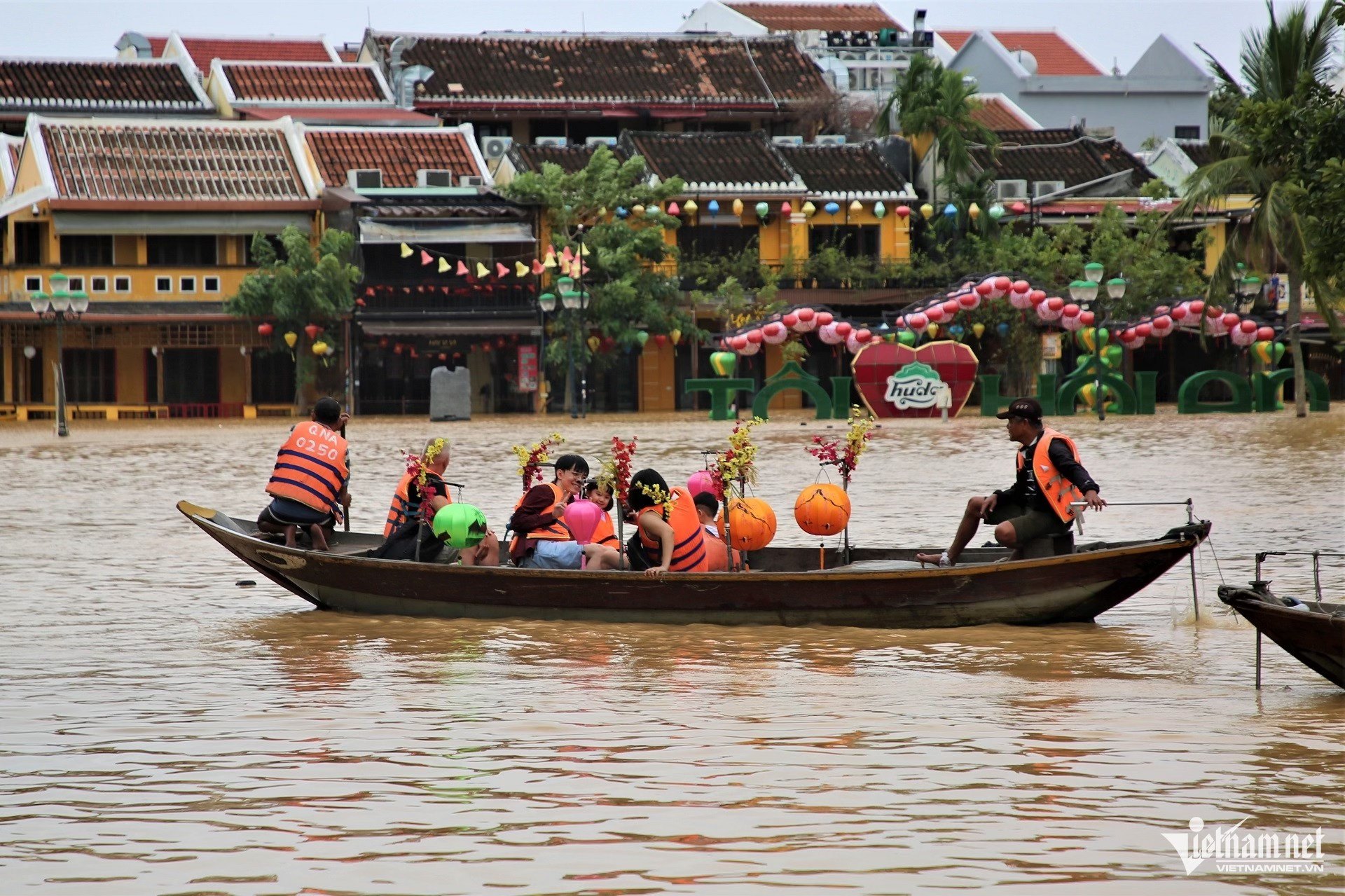
Travelers often underestimate just how many people benefit from a single visit:
The homestay owner who hosts your family
The local guide who shows you hidden alleys in Hoi An
The chef preparing regional dishes passed down through generations
The lantern maker whose craft survives because visitors continue to buy handmade products
The fisherman who offers basket-boat tours to supplement his seasonal income
The taxi drivers, cyclo riders, tailors, market vendors, and farmers who rely on steady tourism flow
When you choose to travel to the Central of Vietnam after a year like 2025, your presence becomes a form of direct community support.
Travel kindness: A small action, a lasting impact
Tourism is often seen as a leisure activity, but in regions recovering from natural disasters, it becomes something more:
a tool for dignity, sustainability, and hope.
By eating at local restaurants, booking local guides, or staying in locally owned guesthouses, you help families rebuild roofs, repair boats, restart small businesses, and plan for future storms with greater security.
What to Expect When Traveling to the Central of Vietnam in 2026
Despite the difficulties of the previous year, the region is ready—perhaps more than ever—to welcome responsible, caring travelers.
1. Improved Infrastructure
After the 2025 floods, local governments accelerated drainage upgrades, road repairs, and riverbank reinforcement projects. Many areas now have stronger flood prevention measures in place.
2. Tourism Experiences with Meaning
Community-based tourism initiatives are expanding, giving visitors opportunities to support local livelihoods more directly. Examples include:
- Lantern-making workshops in Hoi An
- Cooking classes in Hue’s villages
- Cycling tours that support rural families
- Eco-friendly tours in Da Nang and Quang Binh
- Tra Que Vegetable Village
3. A Warmer Welcome Than Ever
After a year of hardship, locals are eager to reconnect with visitors. Many tourism businesses have refreshed their spaces, introduced new menus, or launched new experiences to prepare for 2026.
4. Authentic Scenery and Tradition
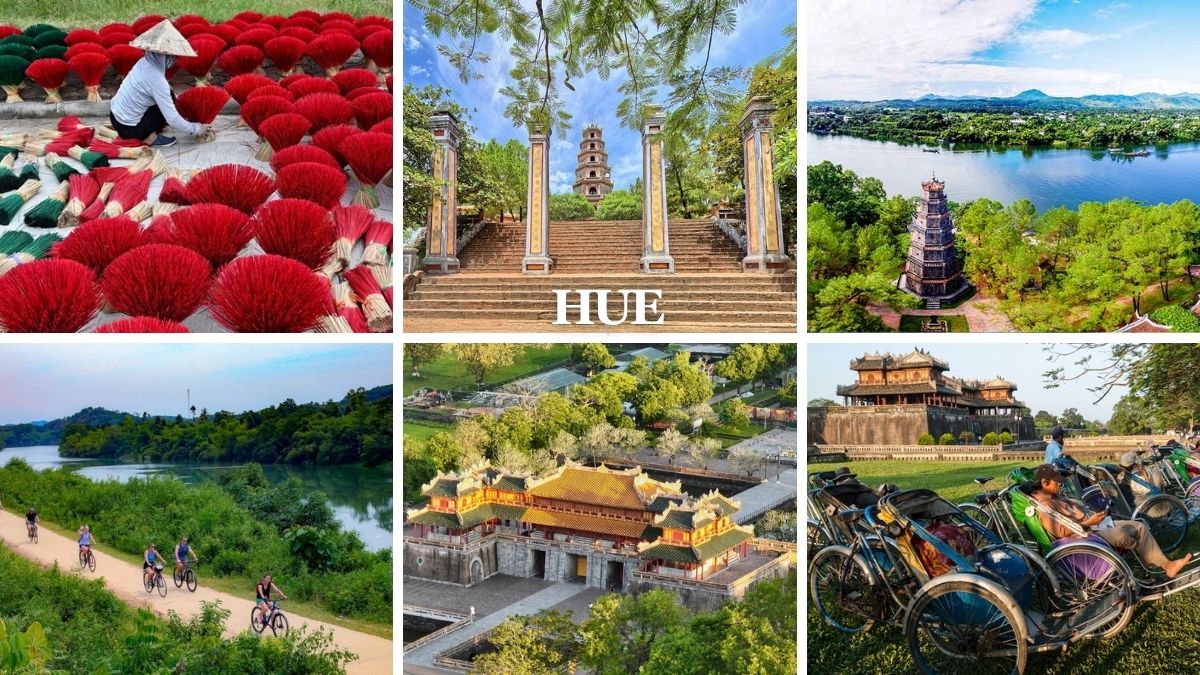
The Central region remains beautiful—with golden beaches, forested mountains, and ancient architecture that have endured for centuries. Travelers will still experience the charm of Hoi An at night, the majesty of Hue’s citadels, and the adventure of Vietnam’s most dramatic caves.
Tips for Responsible Travel in a Recovering Region
If you choose to visit the Central of Vietnam in 2026, here are simple ways to make your trip both enjoyable and meaningful:
Support local businesses whenever possible.
Take guided tours led by locals—they know the stories behind every corner.
Respect recovery zones and follow safety instructions if certain areas remain under repair.
Buy local crafts, especially handmade items like Hoi An lanterns, silk products, pottery, and bamboo goods.
Spread the word—sharing your positive experiences encourages others to visit.
Travel sustainably, minimizing plastic use and protecting natural areas.
Stay flexible—weather patterns may still shift unpredictably.
These small actions are seeds of hope for families who have endured a difficult year.
Why Esteem Travel Vietnam Encourages You to Travel to the Central Region in 2026
At Esteem Travel Vietnam, we have worked with local communities across the Central region for many years. We have seen firsthand the determination, kindness, and strength of the people who live here.
In 2025, we witnessed their resilience once again as they rebuilt homes, restored roads, and revived their businesses after multiple floods. And now, in 2026, our message is simple:
Traveling to the Central of Vietnam is not just a holiday. It is an act of solidarity.
Your visit:
helps families rebuild
supports cultural preservation
strengthens regional tourism
and contributes to long-term stability in a climate-vulnerable region
We invite you to walk with us—and with the people of Hoi An, Hue, Da Nang, and beyond—on a journey of renewal.
Travel as a Path Toward Healing and Hope
The Central of Vietnam has weathered storms for centuries. La Niña’s impact in 2025 was severe, but the region’s spirit remains unbroken. As tourism reopens fully in 2026, travelers have the chance to support a meaningful recovery.
Hoi An’s lanterns are being rehung. Hue’s imperial walls are being reinforced. Da Nang’s beaches are welcoming visitors again. Villages across the mountains and coastlines are returning to life.
Your journey can help illuminate these paths.
Travel to support. Travel to connect. Travel to help Vietnam recover after a year of natural disasters.
And when you walk through the ancient streets of Hoi An or along the peaceful beaches of Da Nang, you will not only see beauty—you will feel the gratitude of a community rebuilding its future.
Quy Nhon Vietnam – Why It Shines as a Best Travel Destination 2026
