

Vietnam is home to nine UNESCO World Heritage Sites, each representing the country’s cultural depth, natural beauty, and historical richness. Over the last 30 years, these treasures have undergone impressive restoration and sustainable tourism development, making Vietnam one of Asia’s most attractive travel destinations for heritage lovers.
This article revisits these magnificent Vietnam heritages—from how they looked decades ago to how they shine today.
1. Complex of Huế Monuments (1993)
Vietnam’s first World Cultural Heritage – The Imperial City of Huế once suffered from war damage and time, but preservation efforts since the 1990s have brought the royal architecture back to life. The palaces, citadels, gates, and temples now welcome millions of visitors every year who wish to explore Nguyễn Dynasty history.
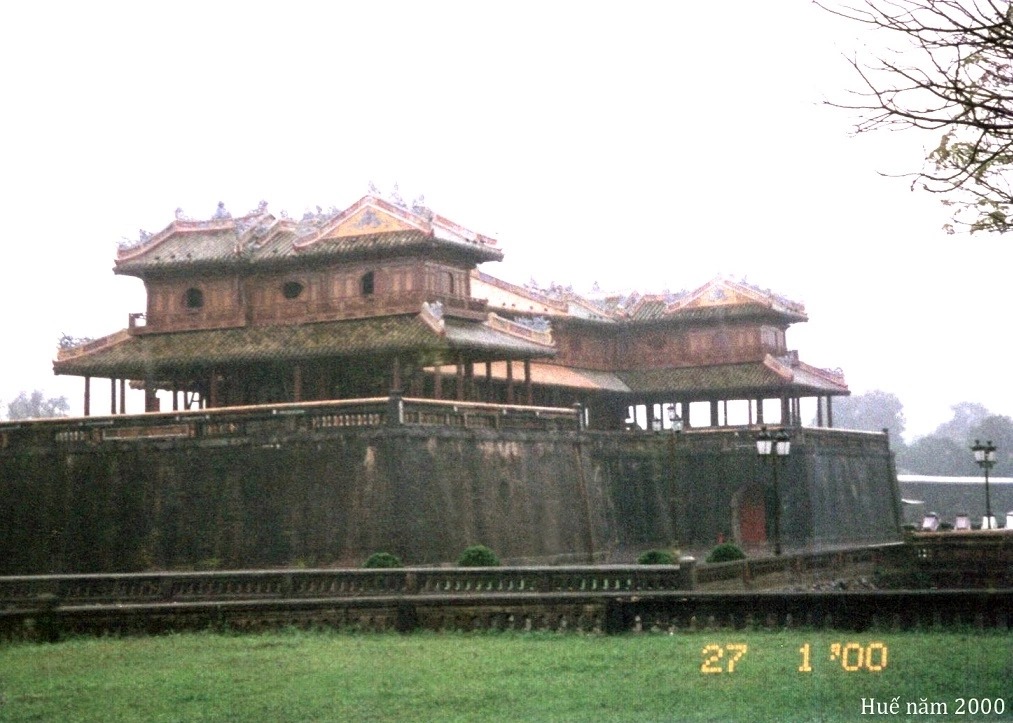
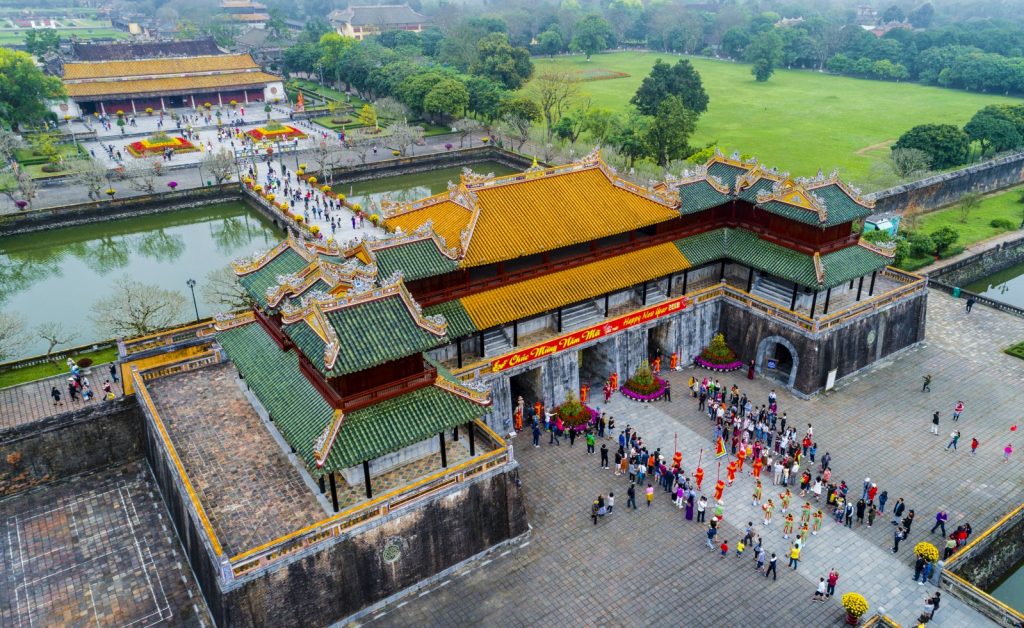
2. Hạ Long Bay (1994, 2000) – World Natural Heritage
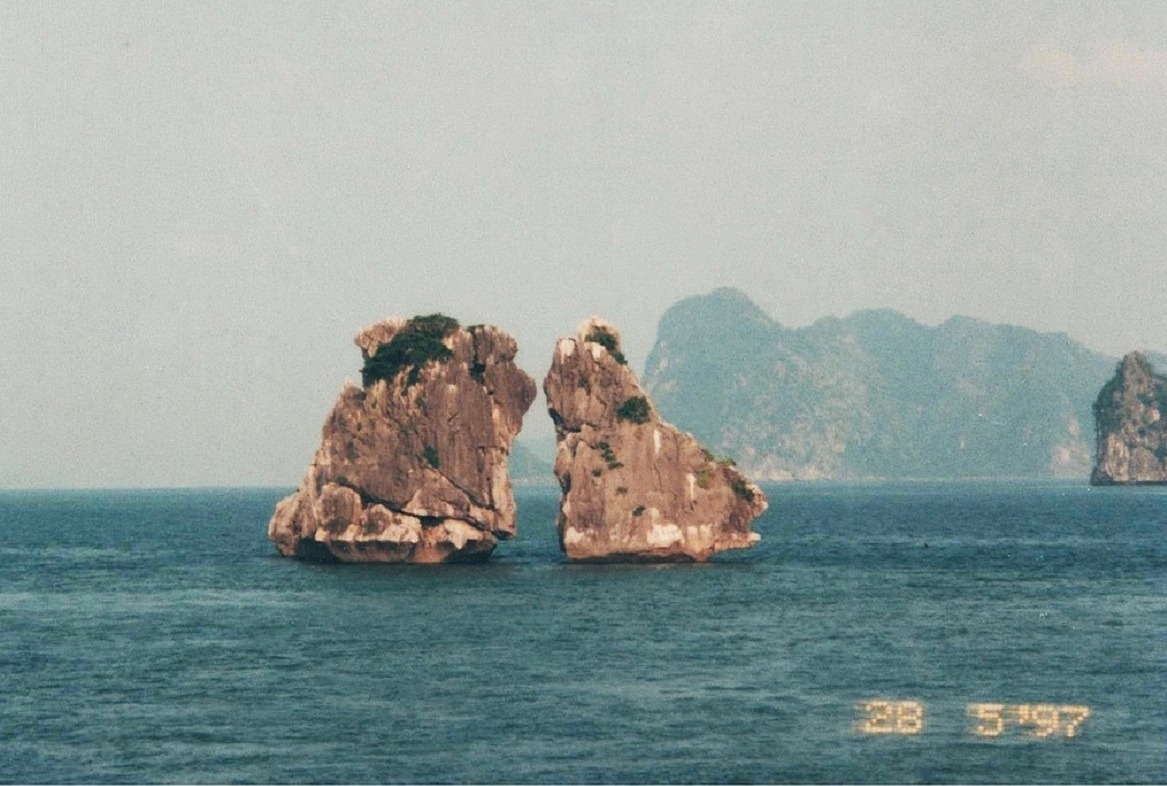

Three decades ago, Hạ Long Bay was already famous for its limestone karsts, but tourism infrastructure was still limited. Today, sustainable cruise routes, environmental protection programs, and better transport access make it a world-class destination.
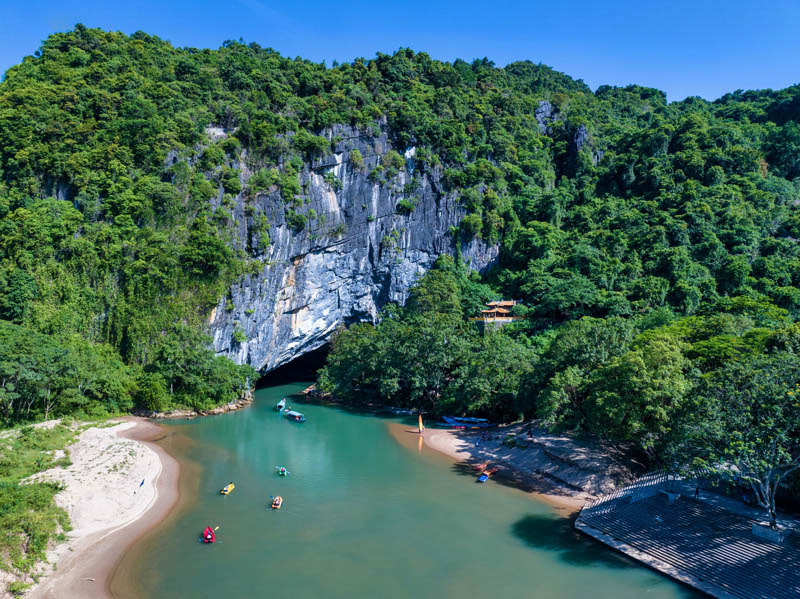
3. Phong Nha – Kẻ Bàng National Park (2003, 2015) – World Natural Heritage
Once relatively unknown, this vast karst system has become a global adventure hotspot thanks to discoveries such as Sơn Đoòng—the world’s largest cave. Conservation projects have protected wildlife and supported local communities.
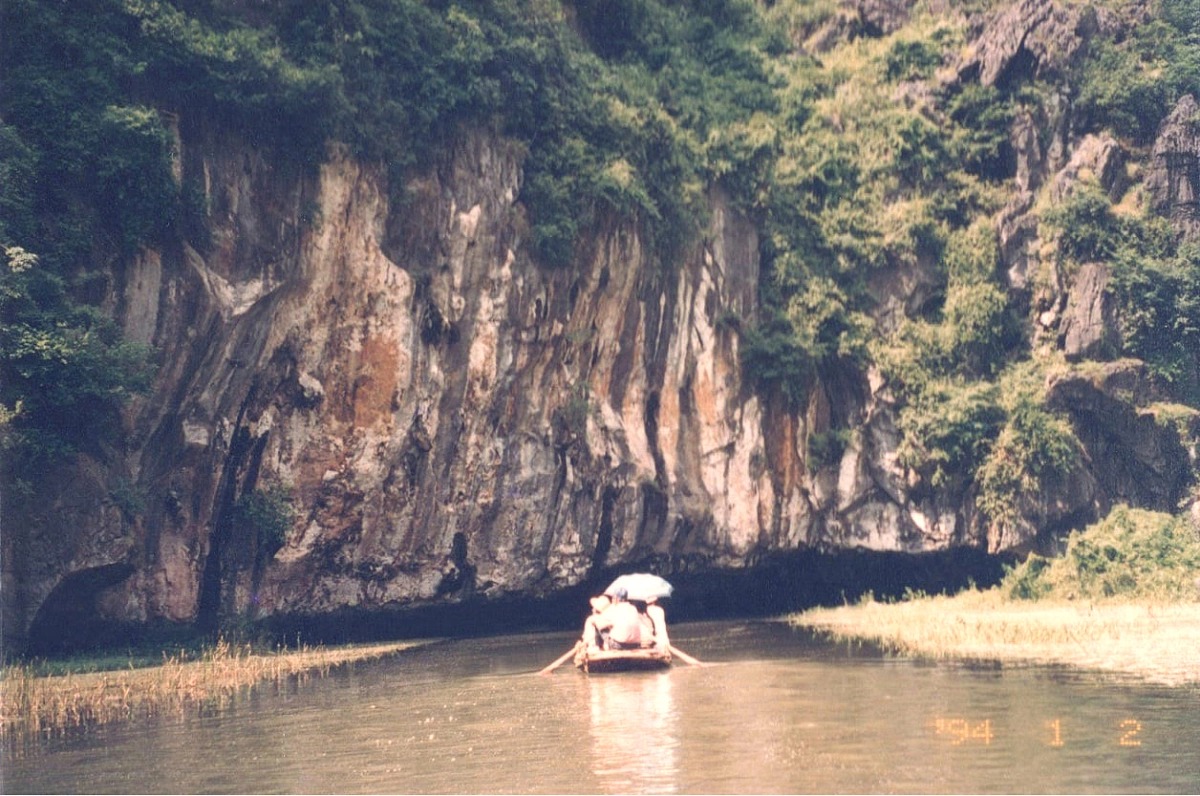
Photo from the 1990s showing traditional rowing boats approaching the cave, long before mass tourism.
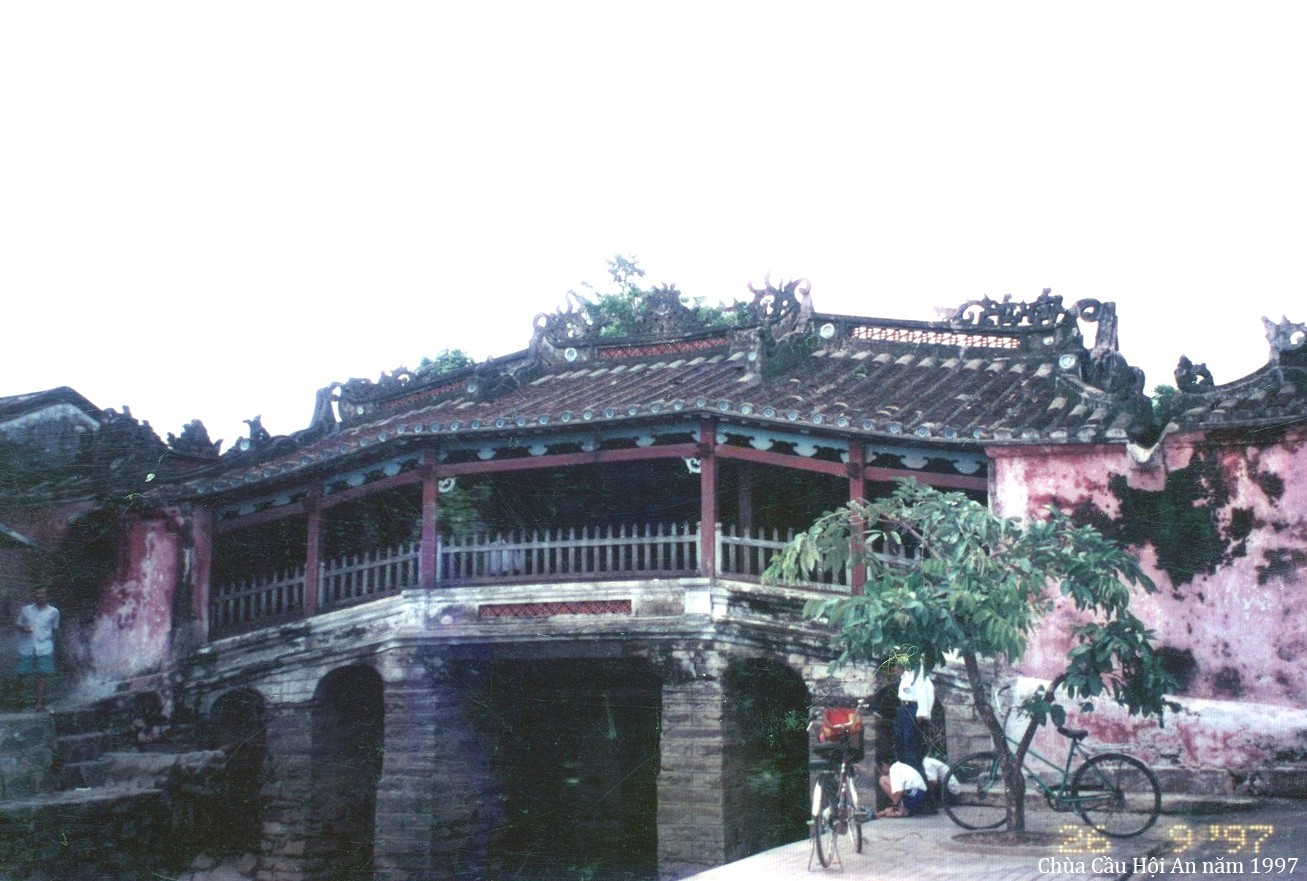
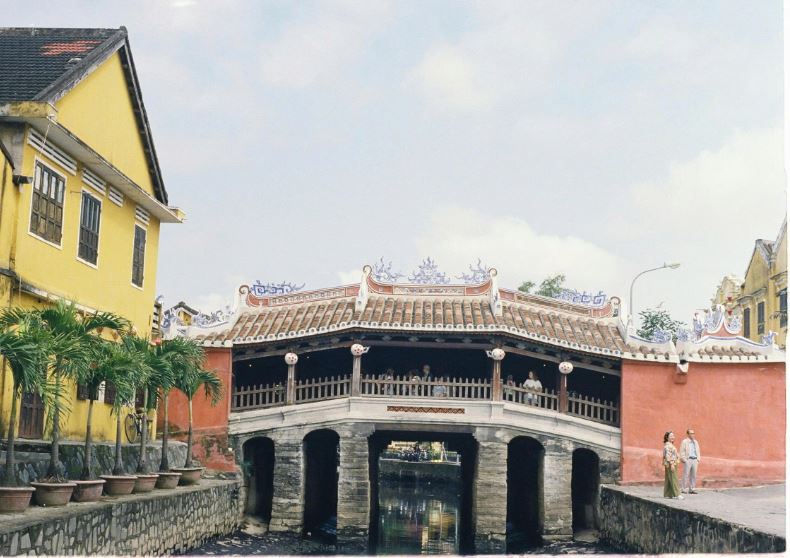
4. Hội An Ancient Town (1999)
A peaceful trading port 30 years ago, Hội An has transformed into one of Southeast Asia’s most charming heritage towns. Lantern-lit nights, restored houses, and traditional crafts continue to fascinate travelers.
5. Mỹ Sơn Sanctuary (1999)
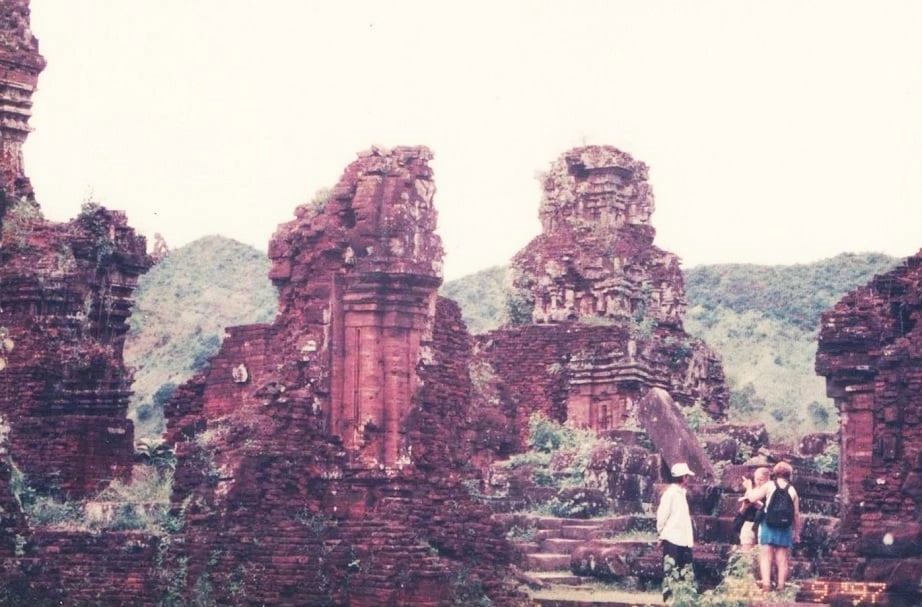
Efforts by Vietnamese experts and international archaeological teams have restored several temple towers and improved access, making Mỹ Sơn an important cultural symbol of the Champa civilization.
6. Central Sector of the Imperial Citadel of Thăng Long – Hà Nội (2010)
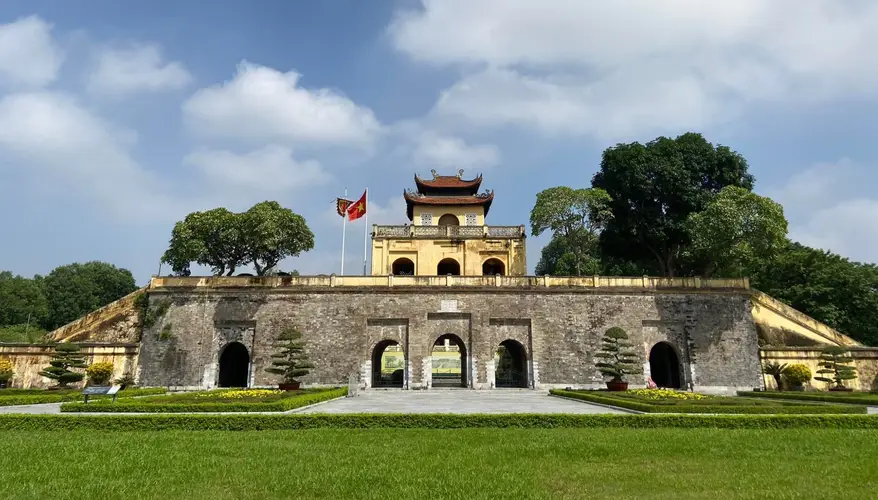
What used to be only an archaeological site 30 years ago is now an impressive heritage complex showcasing over 1,000 years of Vietnamese civilization.
7. Citadel of the Hồ Dynasty (2011)
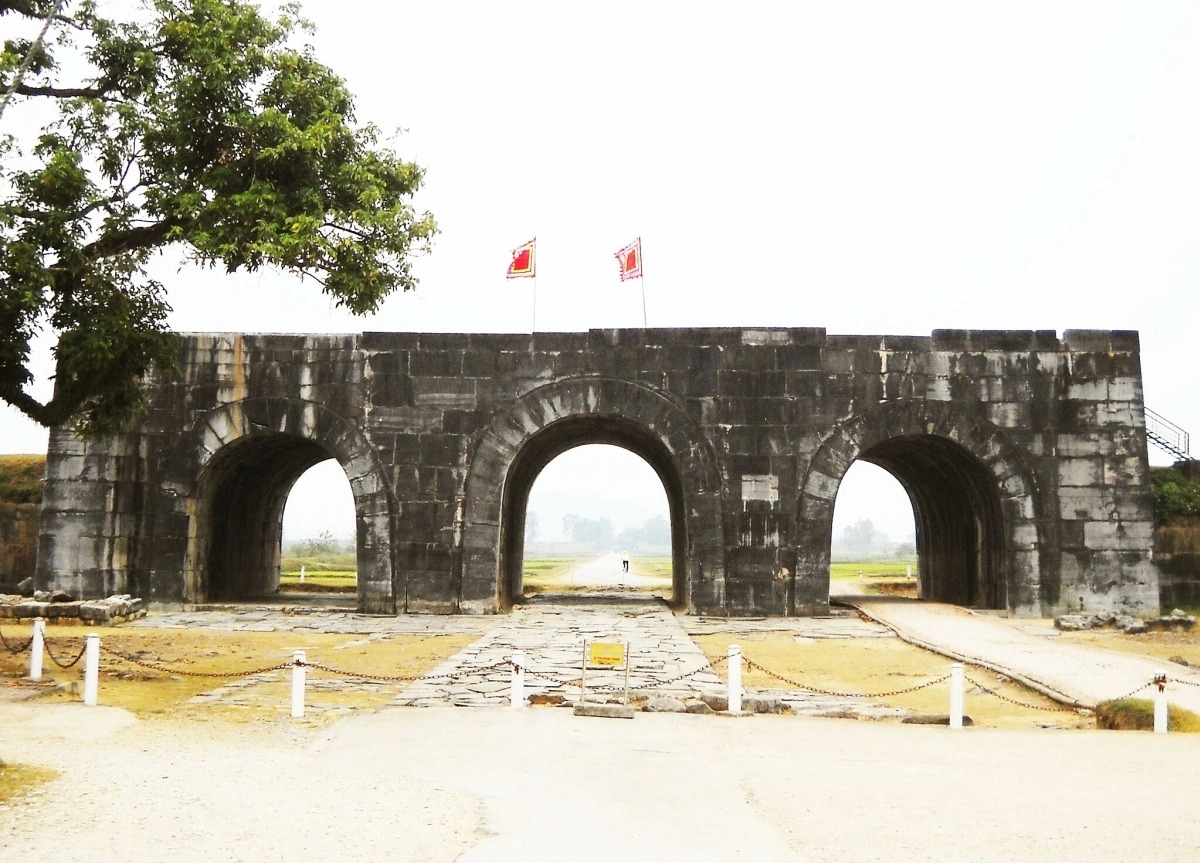
This stone fortress, once surrounded by rural landscapes, has undergone important preservation steps, improving access and protecting the historic masonry.
8. Tràng An Landscape Complex (2014)
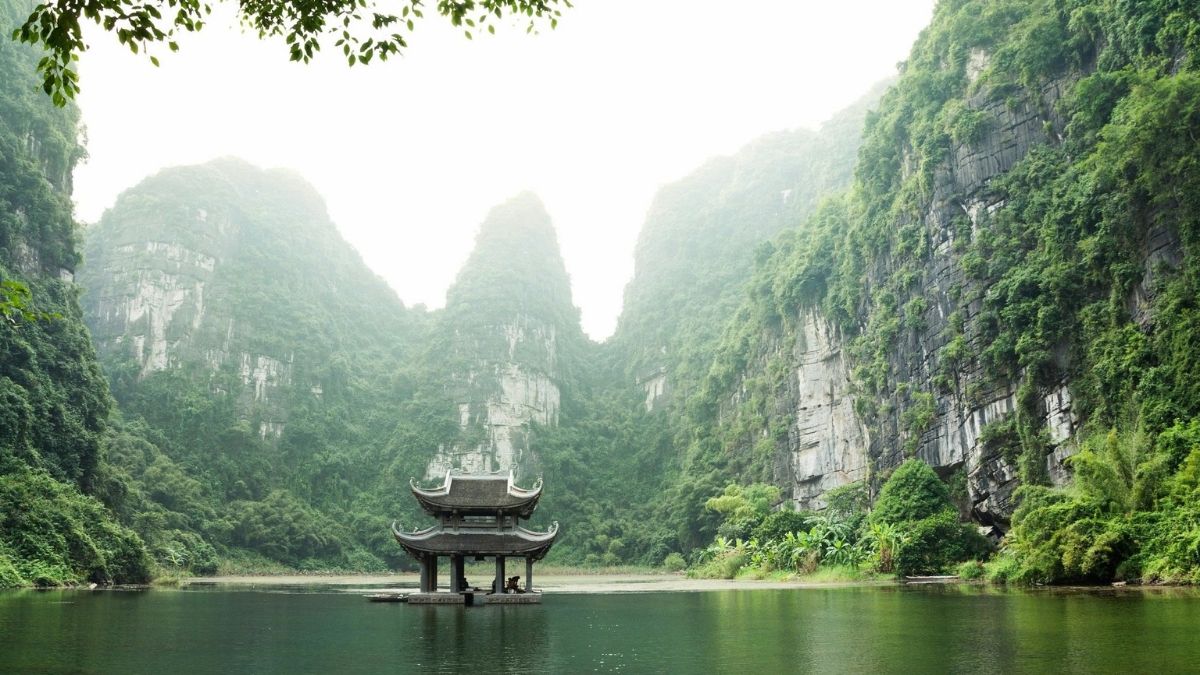
Often referred to as “Hạ Long Bay on land,” the Tràng An area has seen sustainable tourism development while preserving caves, rivers, and karst valleys.
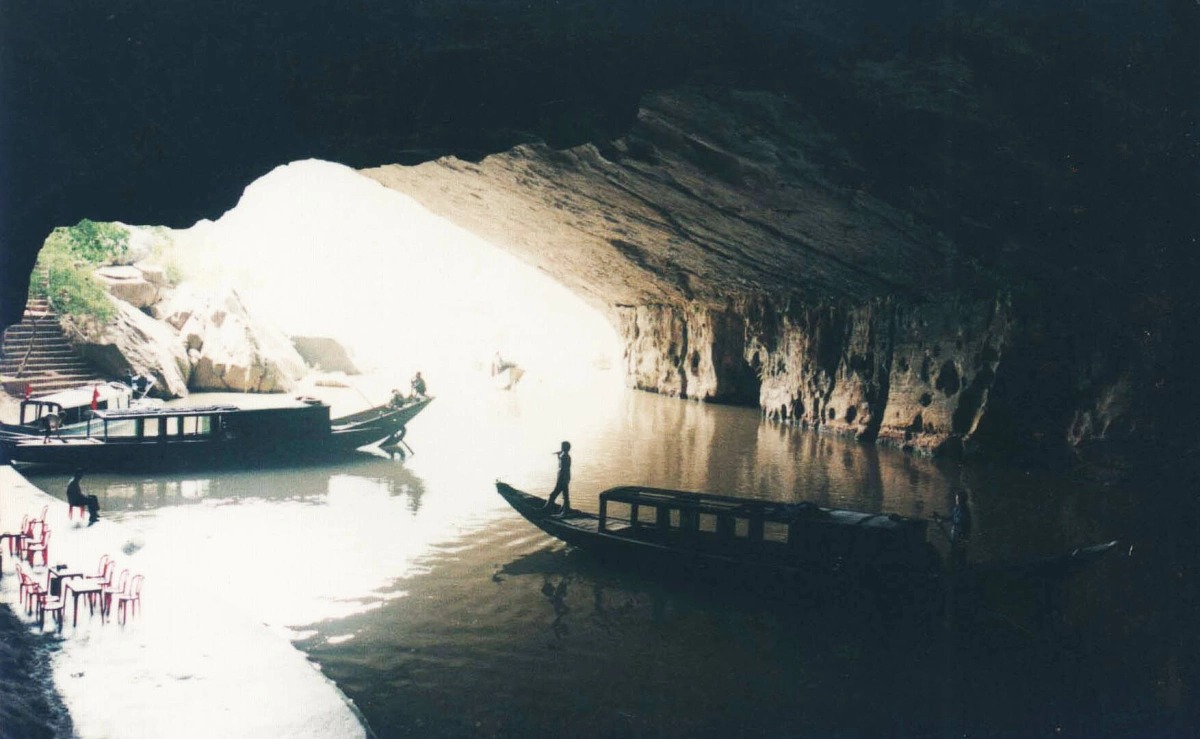
Image taken in the 1990s, showing the pristine natural landscape and limestone cliffs.
9. Yên Tử – Vĩnh Nghiêm – Côn Sơn – Kiếp Bạc Complex recognised as world cultural heritage
Yên Tử Mountain – the cradle of the Trúc Lâm Zen Buddhism – has just been officially inscribed as a **UNESCO World Cultural Heritage** at the 47th session of the World Heritage Committee on July 12. The **Yên Tử – Vĩnh Nghiêm – Côn Sơn – Kiếp Bạc Complex of Monuments and Landscapes** stands as a profound spiritual landmark and a timeless testament to Vietnamese history and culture, closely tied to the Trúc Lâm Zen sect founded by King Trần Nhân Tông.
With this recognition, the complex becomes **Việt Nam’s ninth World Heritage site** and the **second trans-provincial heritage site**, following Hạ Long Bay – Cát Bà Archipelago. The inscription opens new opportunities to showcase the serene beauty of Yên Tử’s mountains, its ancient temples, meditative atmosphere, and the interconnected sacred sites stretching across Quảng Ninh, Bắc Giang, and Hải Dương.
A visit to Yên Tử today offers not only peaceful moments amid clouds and forests but also a chance to touch a living heritage more than 700 years old – a spiritual and cultural treasure of Việt Nam.
Vietnam Heritages Today: A Sustainable Travel Destination
Over the past three decades, Vietnam has transformed its World Heritages into model destinations for sustainable tourism. From restored royal structures to protected cave systems and well-managed natural landscapes, visitors today enjoy deeper cultural experiences while Vietnam preserves its heritage for future generations.
Whether you are an adventure traveler, a cultural enthusiast, or a photographer seeking iconic scenery, Vietnam’s nine World Heritages offer unforgettable journeys through history and nature.
