

Son Doong Cave – Vietnam’s Ultimate Natural Wonder
Deep in central Vietnam lies a destination that has redefined adventure travel: Son Doong Cave.
Located within the UNESCO-listed Phong Nha – Ke Bang National Park, Sơn Đoòng is not just the largest cave on Earth—it is an entire hidden world, complete with jungles, rivers, and ecosystems untouched by time.
This travel guide explores the history, geology, and unforgettable experiences that make Son Doong Cave one of the most extraordinary destinations on the planet.
The Discovery of Son Doong Cave
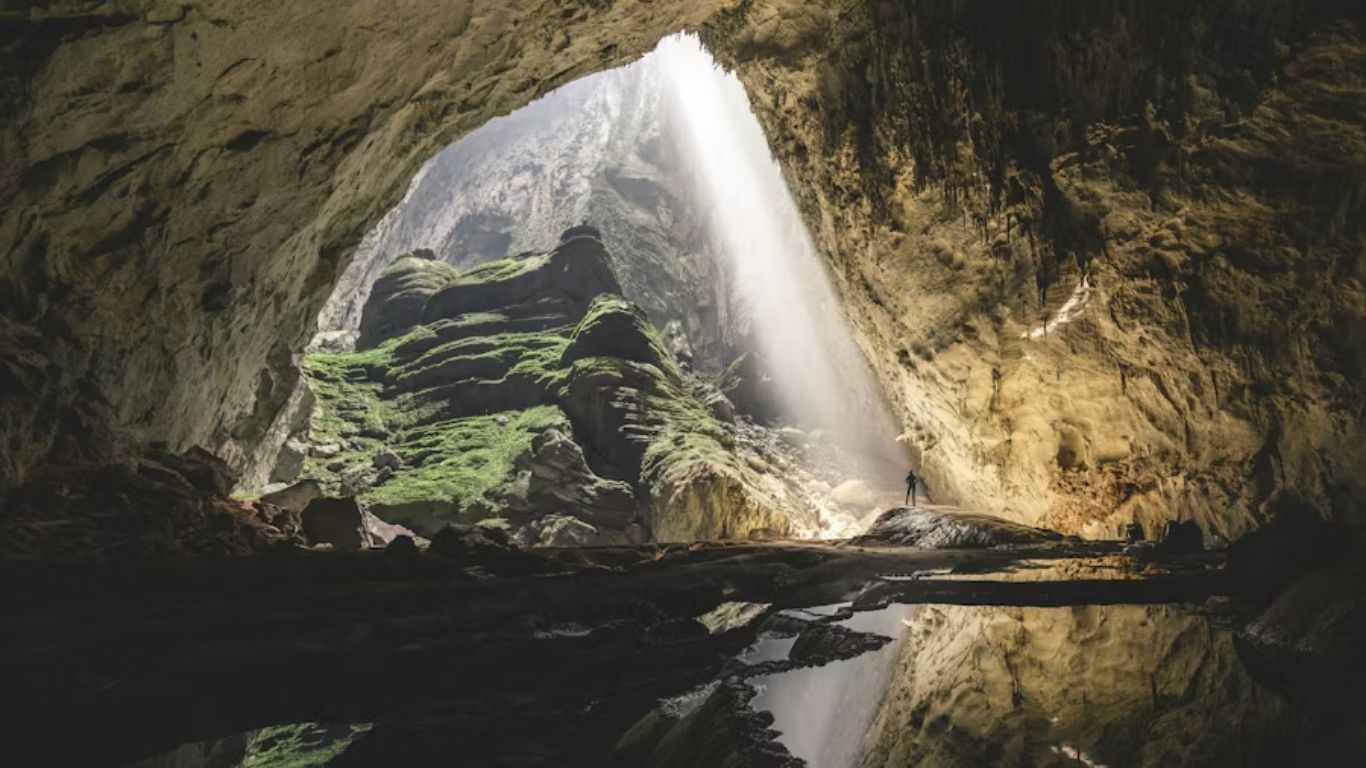
The story of Son Doong Cave begins in 1990, when a local man, Ho Khanh, accidentally discovered the cave entrance while seeking shelter during a storm.
For years, the cave remained hidden until it was rediscovered in 2008 and fully explored in 2009 by international cave experts.
What they found inside exceeded all expectations.
Phong Nha – Ke Bang National Park: A UNESCO Treasure
Phong Nha – Ke Bang National Park is one of the most significant karst landscapes in the world.
- Originally inscribed in 2003
- Expanded to over 123,000 hectares
- Home to 300+ caves and underground rivers
This national park protects:
- Diverse cave systems (dry, terraced, suspended, intersecting)
- Rich biodiversity with rare and endangered species
- Ancient limestone formations dating back millions of years
It is considered one of the most important geological and ecological zones in Southeast Asia.
Phong Nha – Ke Bang National Park
Ecosystem & Biodiversity
Phong Nha – Ke Bang National Park is one of Vietnam’s most important protected areas, with 93.5% forest coverage, mostly untouched tropical rainforest on limestone mountains.
- Home to 15 habitat types and 10 major vegetation types
- One of the largest remaining primary forest ecosystems in Vietnam
- Features a rare 500-year-old limestone cypress forest (4,000 ha), a globally significant and endemic species
Wildlife Diversity
- 1,394 animal species recorded
- Many listed in:
- Vietnam Red Book
- IUCN Red List
- CITES
Over the past 20 years, 42 new species have been discovered, highlighting its global ecological importance.
Plant Diversity
- 2,952 vascular plant species
- Includes many rare and endangered species
Cultural & Historical Heritage
The park is also rich in history, located along the legendary Ho Chi Minh Trail.
- Important wartime sites and relics
- Ancient Cham cultural traces inside caves
- Archaeological evidence of early human life (tools, pottery, animal remains)
Cave System – One of the World’s Greatest
From 1990–2022, over 404 caves (220 km total length) were surveyed, forming three main systems:
1. Phong Nha System
- Longest system (100+ km)
- Formed by underground rivers
2. Vom Cave System
- ~70 caves, 48 km
- Massive scale and dramatic beauty
3. Nuoc Mooc System
- ~50 caves, 20 km
- Mysterious underground rivers
- Difficult to access
Global Geological Value
The cave system is considered one of the most intact and significant karst formations in the world, featuring iconic caves like:
- Son Doong Cave
- Phong Nha Cave
- Paradise Cave
Son Doong Cave – A World Within a Cave
The Largest Cave on Earth
Son Doong Cave is unlike any other cave:
- Chambers up to 65 stories high
- Passages wide enough for a Boeing 747
- An underground river flowing through its core
- Formed over 2.5 million years
A Living Ecosystem Underground
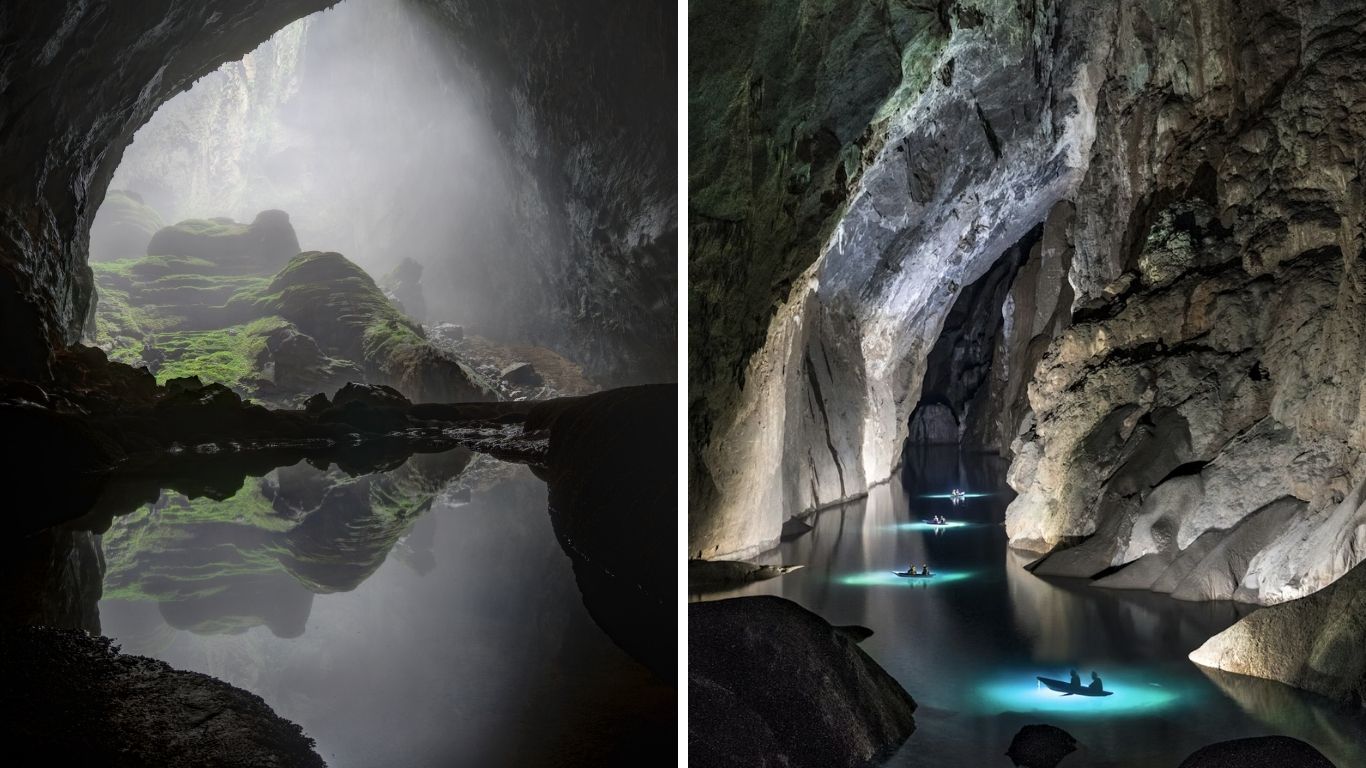
Inside Son Doong Cave, you’ll find:
- Dense jungle growing beneath natural skylights
- Unique weather systems (clouds and mist inside the cave)
- Rare species adapted to underground life
It is often described as a “subterranean rainforest”
Connection to Hang Thung – A Hidden Network
Son Doong Cave is part of a vast underground system, connected through mountain rivers and cave networks to other massive caves like Hang Thung.
This interconnected system highlights:
- The complexity of Vietnam’s karst formations
- The ongoing geological evolution beneath the surface
Best Time to Visit Son Doong Cave
The ideal time to explore Son Doong Cave and Phong Nha – Ke Bang National Park is:
March to August (Dry Season)
- Safer trekking conditions
- Lower water levels in caves
- Clearer access to trails and rivers
Tours are limited and seasonal to protect the environment.
Explore Phong Nha – Ke Bang Beyond the Cave
Cycling & Motorbike Adventures
Exploring the park by bike or motorbike offers:
- Scenic routes through jungle and karst valleys
- Access to hidden caves and viewpoints
- A deeper connection with nature
Perfect for:
- Slow travel enthusiasts
- Adventure seekers
Trekking & Hiking Experiences
From gentle walks to challenging treks:
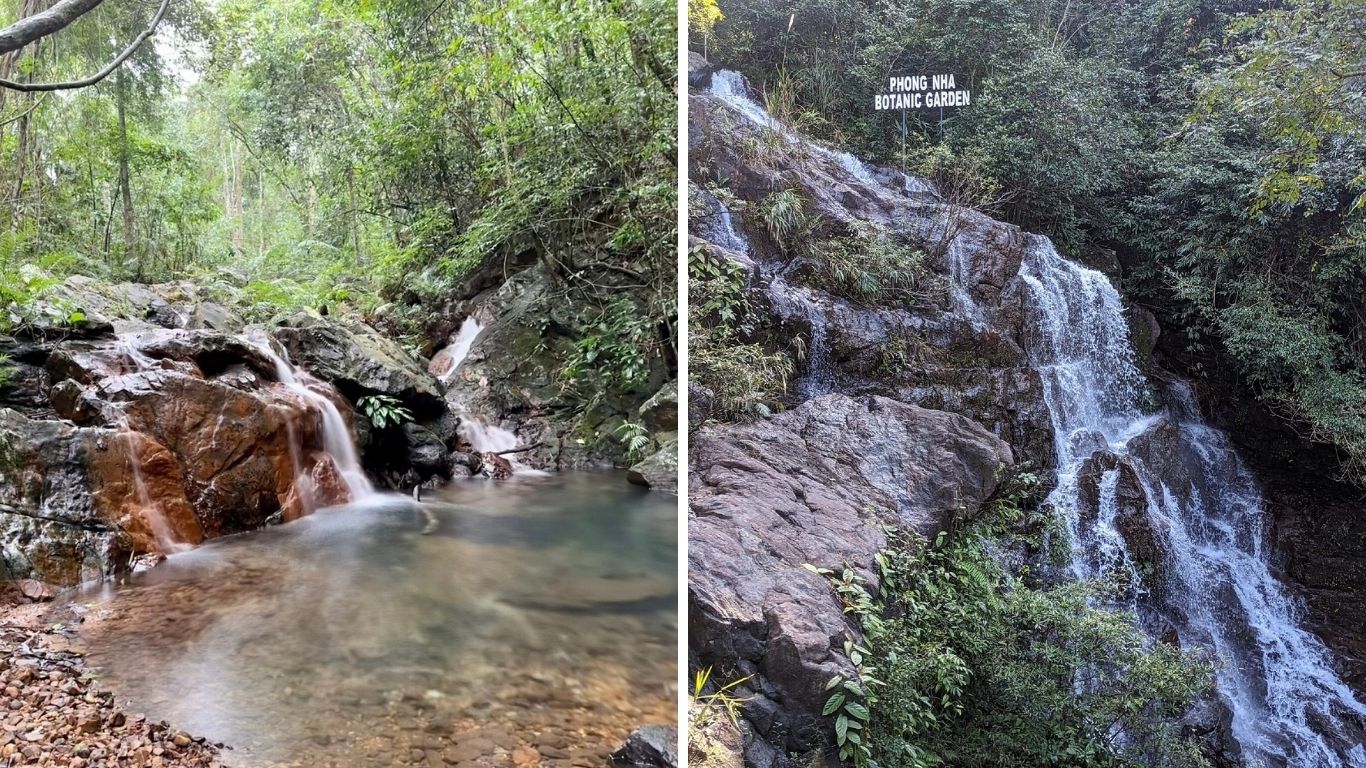
- Discover hidden streams and waterfalls
- Reach panoramic viewpoints
- Immerse in untouched forest ecosystems
Ideal for:
- Nature lovers
- Eco-travelers
Botanical Garden – A Hidden Eco Paradise
Phong Nha Botanical Garden
- 40-hectare natural forest
- Over 500 plant species (including rare ones)
- Highlights:
- Gio Waterfall (30 meters high)
- Vang Anh Lake
- Wildlife spotting areas
Visitors may encounter:
- Monkeys
- Porcupines
⛺ Overnight Camping & Caving Experience
Spending the night inside caves in Phong Nha – Ke Bang National Park is an unforgettable experience.
- Camp inside ancient limestone chambers
- Explore caves with headlamps
- Experience complete silence and darkness
Always guided by experts for safety and conservation.
Hang En Cave – Gateway to Son Doong
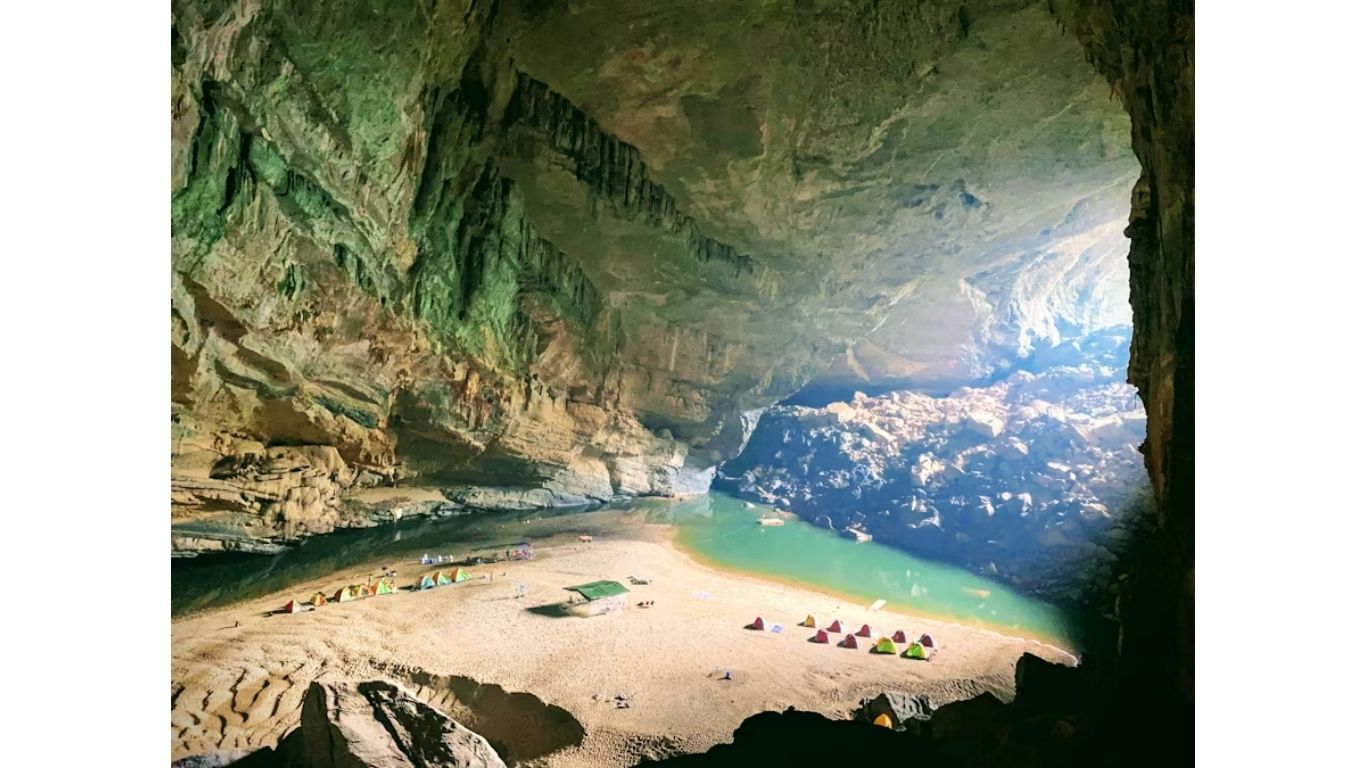
Before reaching Son Doong Cave, travelers often trek through Hang En, the third-largest cave in the world.
- Massive entrance and sandy beaches inside
- Campsite near underground river
- Key stop in expedition journey
The Son Doong Expedition – A Once-in-a-Lifetime Journey
Exploring Son Doong Cave requires a guided expedition tour.
What to Expect:
- 4-day expedition
- 25 km jungle trekking
- 9 km cave exploration
- River crossings and steep climbs
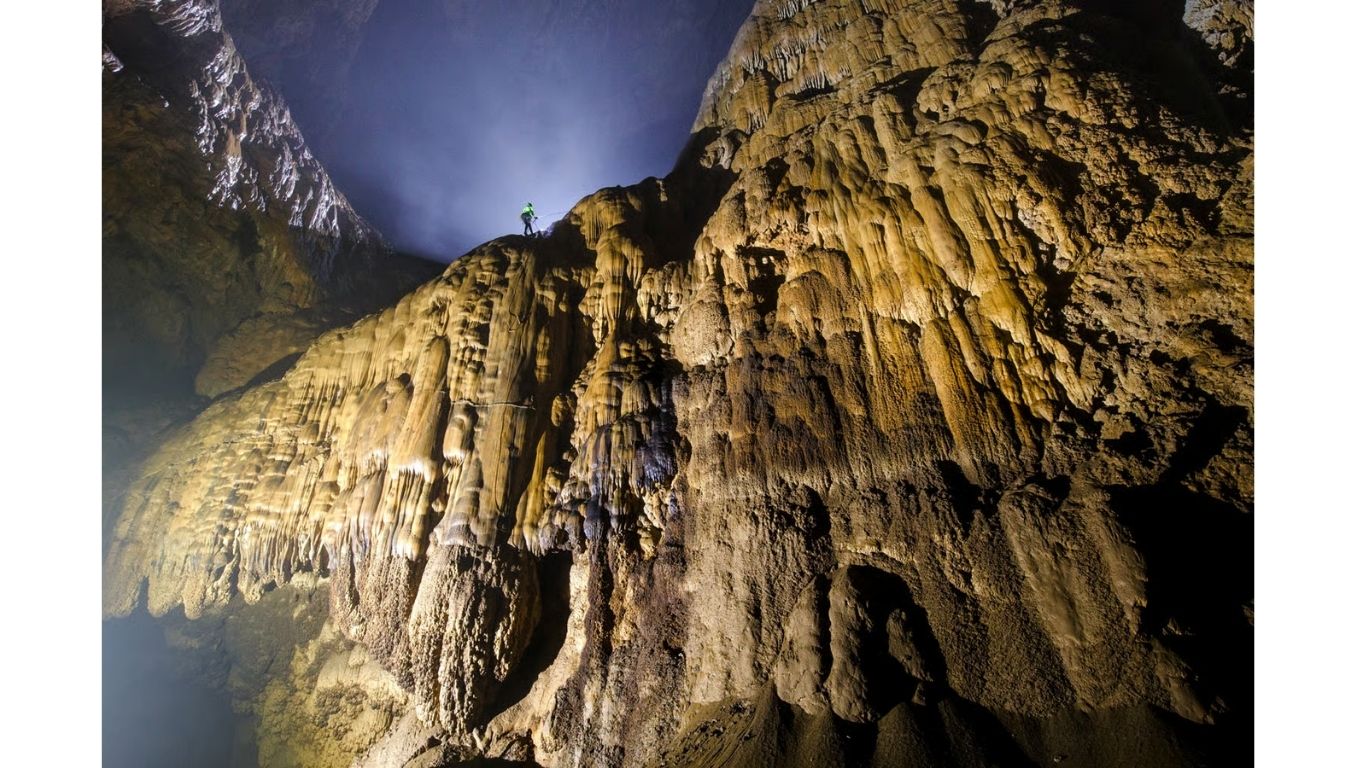
Highlight: The “Great Wall of Vietnam”
- 80-meter vertical ascent inside the cave
- Requires harness and expert guidance
Adventure Level
- Physically demanding
- Requires moderate fitness
- Expect mud, water, and rugged terrain
But the reward is unmatched.
Why Son Doong Cave Captivates the World
1. Global Media Recognition
Son Doong Cave has been featured in:
- International documentaries
- Global news platforms
- Nature and exploration series
2. A Symbol of Exploration
Much like stepping onto the moon, entering Son Doong Cave represents:
- Discovery
- Curiosity
- Human connection to nature
3. Sustainable Tourism Model
- Limited visitors per year
- Strict environmental protection
- Focus on conservation
Who Should Visit Son Doong Cave?
Adventure Travelers
- Bucket-list explorers
- Nature enthusiasts
Luxury Expedition Travelers
- Premium guided tours
- Exclusive access
Photographers & Filmmakers
- Unique landscapes
- Rare natural light conditions
Travel Tips
- Book months in advance (limited permits)
- Prepare physically before the trip
- Travel with certified expedition operators
- Pack light but essential gear
Final Thoughts
Son Doong Cave is not just a destination—it is an experience that redefines the limits of exploration.
Combined with the rich biodiversity of Phong Nha – Ke Bang National Park, it offers a rare opportunity:
To step into a world untouched, mysterious, and awe-inspiring.
For those seeking something beyond ordinary travel, Son Doong Cave is truly the ultimate journey into the unknown.
Check the Classic tour package here!
