

Ecological Tourism in Vietnam – A New Era of Growth and Global Recognition
Vietnam is entering a transformative era where ecological tourism is becoming a key driver of sustainable growth, cultural preservation, and global visibility.
Two major highlights are shaping this momentum:
- The National Tourism Year 2026 in Gia Lai
- The global recognition of Son Doong Cave
Together, they represent Vietnam’s powerful narrative:
Nature, culture, and adventure converging into a world-class tourism experience
National Tourism Year 2026 – Gia Lai: A New Growth Pole
Gia Lai is stepping into the spotlight as Vietnam officially launches the National Tourism Year 2026, positioning the Central Highlands as a new ecological tourism hub.
Theme: A Journey Through Identity and Nature
The event is built around a powerful cultural narrative:
- Khởi nguyên (Origins)
- Linh khí đại ngàn (Sacred energy of the forest)
- Hào khí Tây Sơn (Heroic spirit of Tay Son)
- Đại ngàn chạm biển xanh (Forest meets the ocean)
This theme reflects a deep connection between:
- Indigenous culture
- Highland ecosystems
- Historical heritage
Why Gia Lai Matters for Ecological Tourism
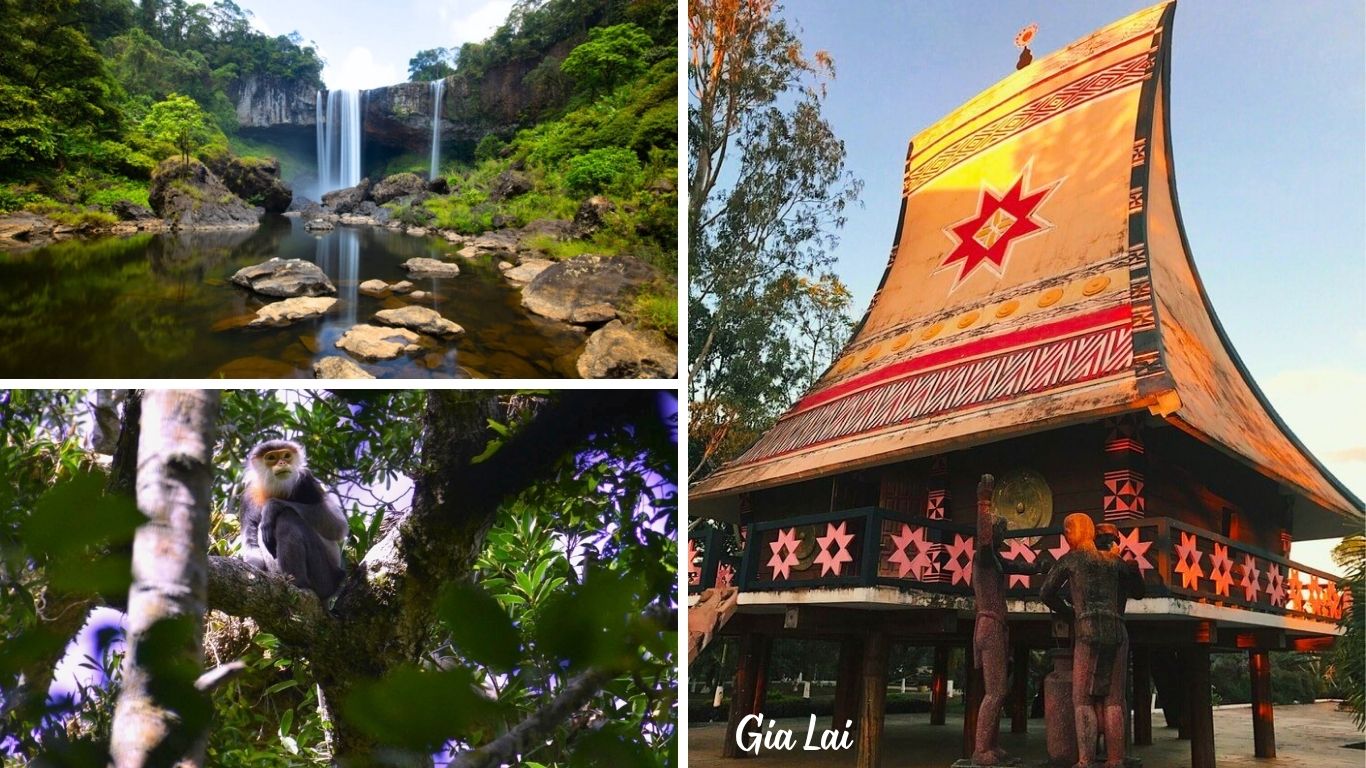
Gia Lai offers:
- Vast forests and biodiversity
- Ethnic minority cultures
- Authentic, untouched landscapes
It represents a new frontier for travelers seeking:
- Off-the-beaten-path destinations
- Cultural immersion
- Sustainable travel experiences
Strategic Impact on Vietnam Tourism
The launch of National Tourism Year 2026 aims to:
- Promote Vietnam’s unique ecological and cultural assets
- Attract international visitors
- Diversify tourism beyond traditional destinations
This positions Vietnam as a multi-dimensional destination, not just beaches and cities.
Son Doong Cave – Vietnam’s Global Icon of Ecological Tourism
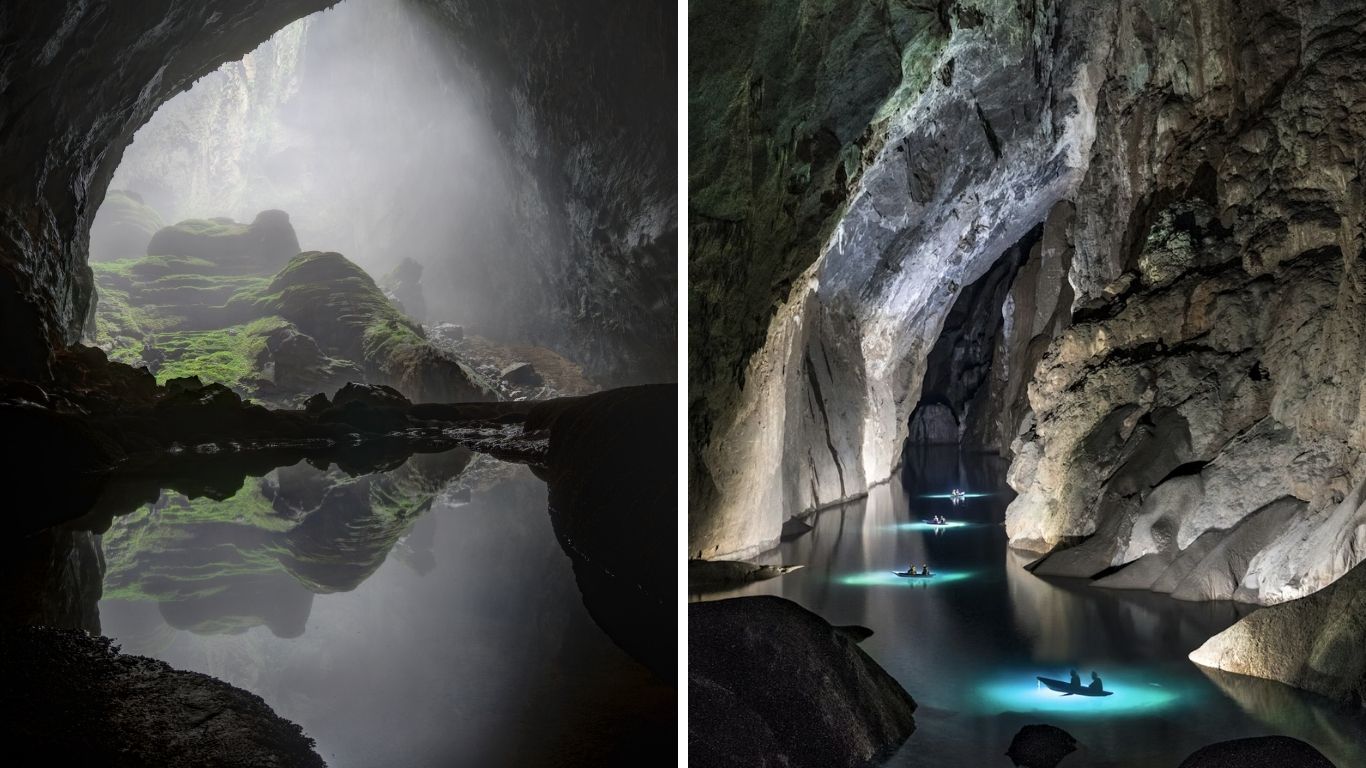
Located in Phong Nha-Ke Bang National Park, Son Doong Cave continues to captivate the world.
Global Media Spotlight
Son Doong has recently been featured on CBS News’ 60 Minutes, reaffirming its global appeal.
It has also appeared in:
- National Geographic
- BBC (Planet Earth III)
- The Telegraph
- Daily Mail
These features highlight Vietnam as a top destination for ecological tourism and adventure travel
A Subterranean World Like No Other
Son Doong is not just a cave—it’s an entire ecosystem.
- Chambers up to 65 stories high
- Passages wide enough for a Boeing 747
- Underground river formed over 2.5 million years
- “Mountain River Cave”
British explorer Peter MacNab described it as: “Stepping into the unknown”
Its discovery story:
- First found in 1990 by a local villager
- Rediscovered in 2008
- Fully explored in 2009
A Journey Comparable to Space Exploration
Exploring Son Doong is often compared to the journey of Neil Armstrong: A leap into the unknown
Each expedition reveals:
- Hidden jungles inside the cave
- Unique weather systems
- Rare ecosystems
Ecological Tourism – The Future of Travel
Why Travelers Are Choosing Ecological Tourism
Global trends show increasing demand for:
- Sustainable travel
- Nature-based experiences
- Cultural authenticity
Travelers want:
- Meaningful journeys
- Environmental responsibility
- Unique, immersive experiences
Vietnam’s Competitive Advantage
Vietnam stands out due to:
✔️ Natural Diversity
- Mountains, forests, caves, coastline
✔️ Cultural Richness
- Ethnic communities
- Historical heritage
✔️ Accessibility
- Growing international connectivity
From Highlands to Underground Wonders: A Complete Experience
Vietnam offers a seamless journey:
Phase 1 – Highlands Exploration
- Gia Lai
- Cultural immersion
- Eco-trekking
Nestled in Vietnam’s Central Highlands, Gia Lai offers a raw, untouched landscape where volcanic terrain, dense forests, and ethnic culture come together in a deeply authentic travel experience. This journey is designed for travelers seeking nature, culture, and meaningful exploration beyond the usual routes.
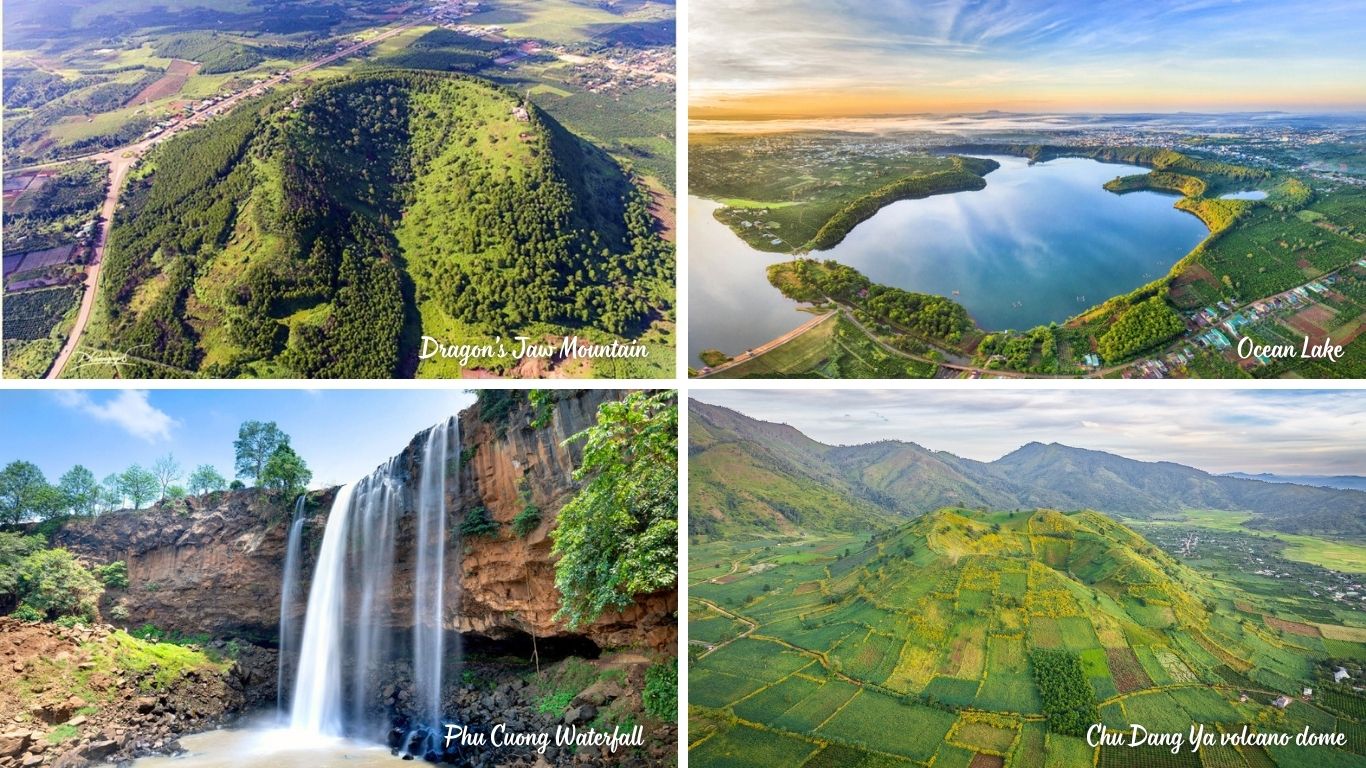
Chư Đăng Ya Volcano – Ancient Volcano & Wildflower Landscapes
A dormant volcano with a dramatic bowl-shaped crater, Chư Đăng Ya is one of Gia Lai’s most iconic natural landmarks.
During November, the slopes are covered in vibrant wild sunflowers, creating a golden landscape against the rich red basalt soil. Even outside the blooming season, the area offers a unique geological setting ideal for:
- Light trekking
- Landscape photography
- Cultural interaction with local ethnic communities
A perfect introduction to the Central Highlands’ raw beauty.
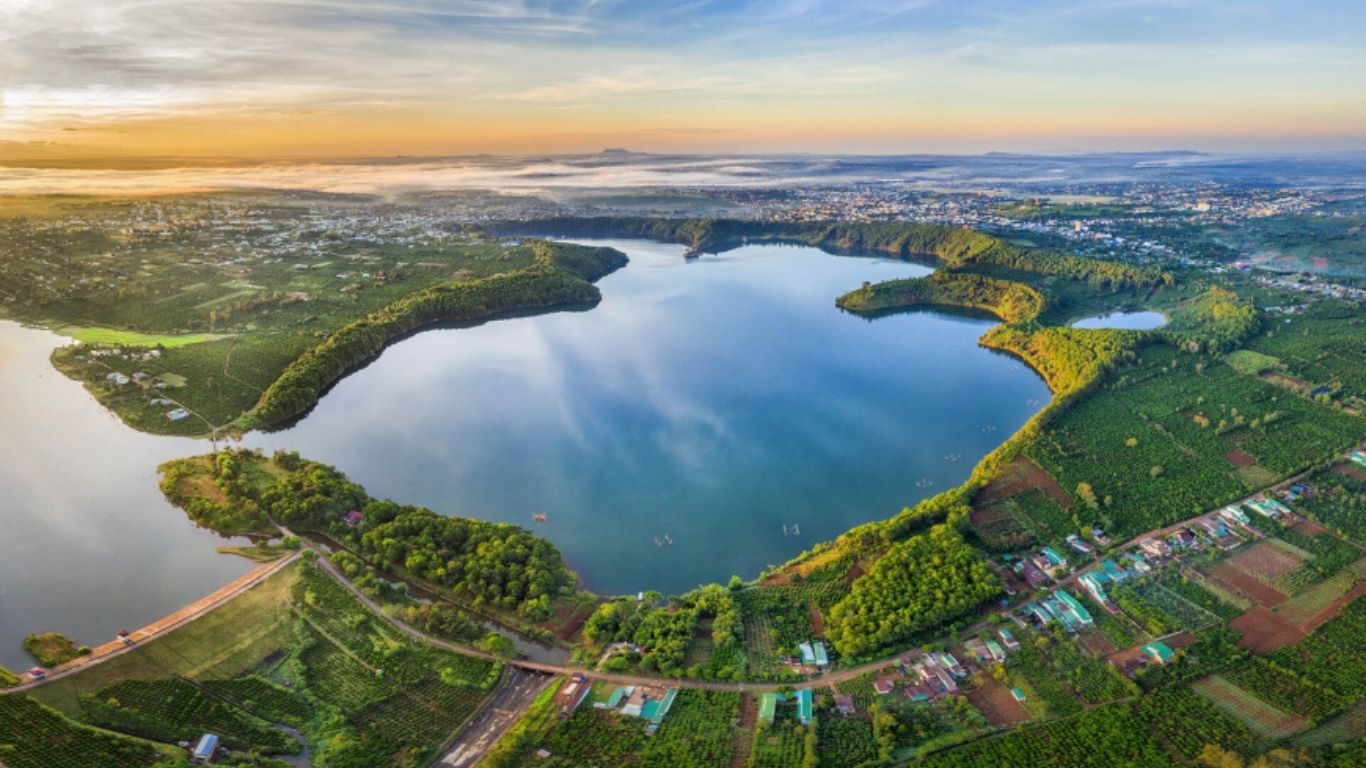
T’Nưng Lake (Bien Ho) – “The Eyes of Pleiku”
Formed in an extinct volcanic crater, T’Nưng Lake is often called “the eyes of Pleiku” for its deep, calm waters and poetic atmosphere.
Surrounded by pine forests and open skies, this is a place to:
- Enjoy peaceful walks
- Take in panoramic views
- Experience the tranquil rhythm of highland life
Ideal for relaxation and slow travel moments.
Ham Rong Mountain – Panoramic Highland Views
Also known as Ham Rong Volcano, this mountain offers one of the best viewpoints over Pleiku city and the surrounding highlands.
From the summit, visitors can witness:
- Rolling hills and coffee plantations
- Expansive skies and fresh mountain air
A rewarding stop for light hiking and scenic photography.
Ocean lake – Tea Hills & Pine Forests
A signature landscape of Gia Lai, Bien Ho Che combines lush green tea plantations with rows of ancient pine trees, creating a peaceful and almost cinematic setting.
Activities include:
- Walking through tea hills
- Photography in nature
- Enjoying the cool, fresh climate
A favorite spot for travelers seeking calm, aesthetic landscapes.
Phu Cuong Waterfall – A Hidden Natural Wonder
Phu Cuong Waterfall is one of the most impressive waterfalls in the Central Highlands. Flowing over volcanic rock formations, the waterfall creates a powerful and dramatic scene, especially during the rainy season.
Visitors can:
- Trek through surrounding nature
- Experience the raw force of water and landscape
- Enjoy off-the-beaten-path exploration
Perfect for nature lovers and adventure seekers.
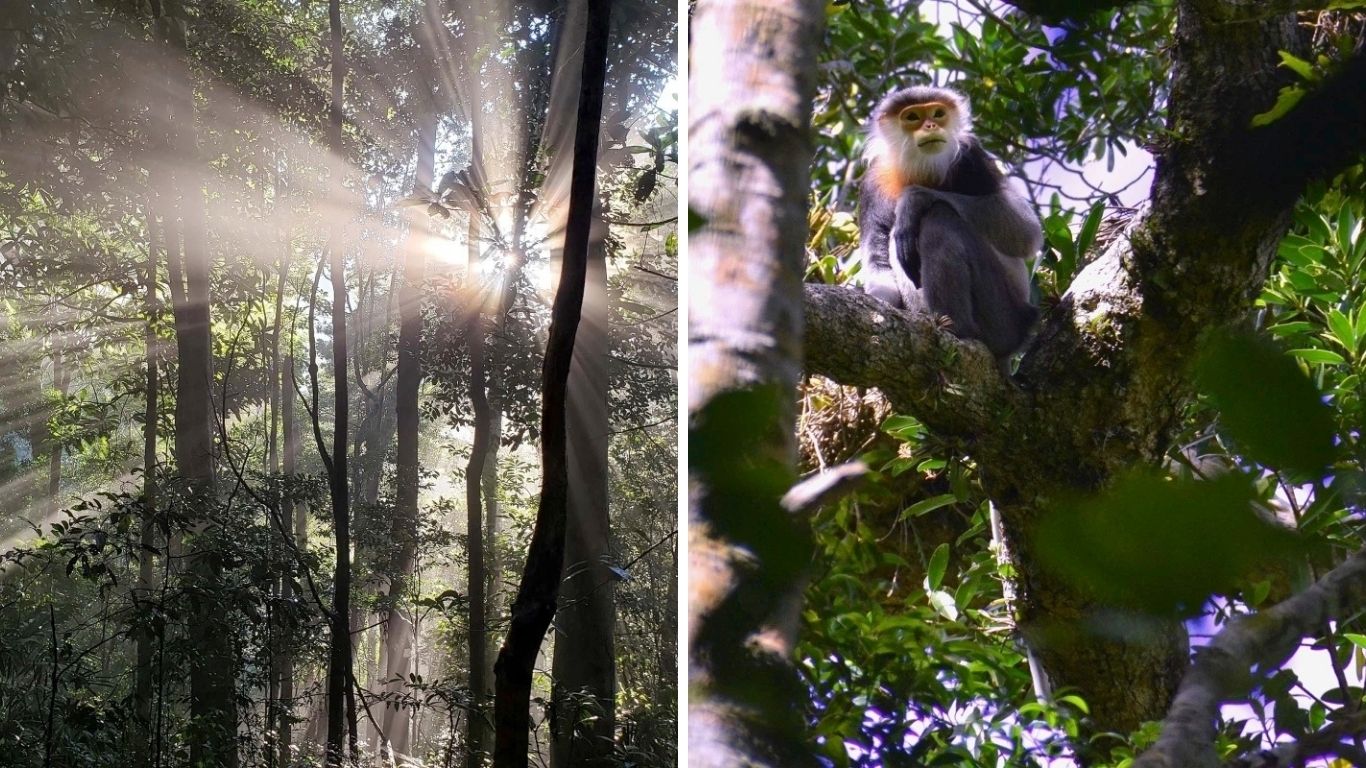
 Pristine Forest & Eco-Trekking
 Pristine Forest & Eco-Trekking
For those seeking deeper immersion, Kon Chu Rang Nature Reserve offers a true eco-adventure in untouched primary forest.
This protected area is rich in biodiversity and ideal for:
- Jungle trekking
- Bird watching
- Exploring waterfalls and hidden trails
- Learning about local ecosystems
A highlight for eco-travelers and those looking for authentic wilderness experiences.
Phase 2 – Adventure Discovery
- Son Doong Cave
- Expedition travel
- Nature exploration
Beyond Sơn Đoòng, the national park offers a diverse range of landscapes:
- Limestone mountains and dense jungle
- Underground rivers and cave networks
- Rich biodiversity with rare flora and fauna
This region is one of the most important biodiversity hotspots in Southeast Asia.
Phong Nha Cave – River Journey into the Earth
Phong Nha Cave
- Accessible by traditional boat along a scenic river
- Glide through vast chambers filled with stalactites and stalagmites
- Soft lighting enhances the cave’s surreal beauty
Perfect for:
- Families
- First-time cave explorers
Paradise Cave – Underground Cathedral
Paradise Cave
- One of the longest dry caves in Asia
- Known for its cathedral-like formations
- Elevated wooden walkways for easy exploration
Ideal for:
- Luxury travelers
- Seniors and families
Dark Cave – Adventure & Fun
Dark Cave
- Ziplining over a turquoise river
- Kayaking and swimming
- Mud bath experience inside the cave
Great for:
- Active travelers
- Families with teens
Botanical Garden & Jungle Trails
Phong Nha Botanical Garden
- Short jungle treks
- Waterfalls and natural pools
- Wildlife spotting
Ideal for:
- Eco travelers
- Soft adventure experiences
Phase 3 – Coastal Relaxation
- Central coast or islands
- Luxury eco-resorts
This combination defines modern ecological tourism in Vietnam
Why This Matters for Vietnam’s Tourism Industry
1. Strengthening Global Position
International media exposure elevates Vietnam’s brand.
2. Promoting Sustainable Growth
Ecological tourism supports:
- Conservation
- Local communities
3. Attracting High-Value Travelers
- Adventure seekers
- Luxury eco-travelers
- Long-haul markets (US, EU)
Ecological Tourism & Sustainable Development
Vietnam is aligning tourism with sustainability:
- Protecting natural heritage
- Limiting over-tourism
- Encouraging responsible travel
Son Doong is a perfect example:
- Limited number of visitors
- Strict conservation policies
✨ Vietnam’s Moment on the Global Stage
From the cultural richness of Gia Lai to the awe-inspiring depths of Son Doong Cave, Vietnam is redefining what ecological tourism means in the modern world.
It is no longer just about visiting a destination—it’s about:
Experiencing nature
Connecting with culture
Preserving the future
Vietnam is not just participating in the global tourism industry.
It is emerging as a leader in ecological tourism.
